Precise natural-language editing
Add, remove, replace, swap backgrounds, retouch portraits — change with prompts, not full rerolls. One drifted edit and an approved original is back to square one.
ByteDance Seed · Seedream 4.0 · September 9, 2025
Seedream 4.0 is ByteDance Seed's next-generation image model, released September 9, 2025 — one architecture for text-to-image and general editing, with commonsense and reasoning built in. Official materials emphasize precise add/remove/replace edits, background swaps, and portrait retouching while keeping the frame intact; it's faster than the prior generation with output up to ~4K. It's the Seedream family's generate-and-edit baseline: step up to 4.5 for denser text and tighter edit consistency; use 5.0 Pro for interactive refinement and dense infographics. When subjects drift, layouts fall apart, or small type blurs, one bad frame can sink a campaign or lesson plan. 4.0's job is to get a workable, editable draft pipeline running first.
Add, remove, replace, swap backgrounds, retouch portraits — change with prompts, not full rerolls. One drifted edit and an approved original is back to square one.


Canyon-west portrait shots need faces and wardrobe details that hold up zoomed in. One drifted face and the whole portrait set is scrap.
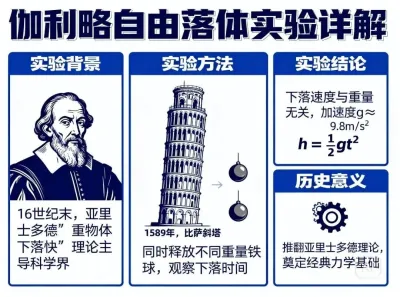
Floor plans, infographic columns, design comparison boards — facts and hierarchy in one pass. One wrong arrow and the teaching page is unusable.

Fashion collages, brand badges, fantasy posters on one interface. Not enough resolution and print or large-screen delivery goes soft.
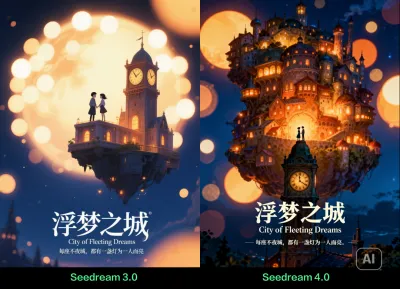
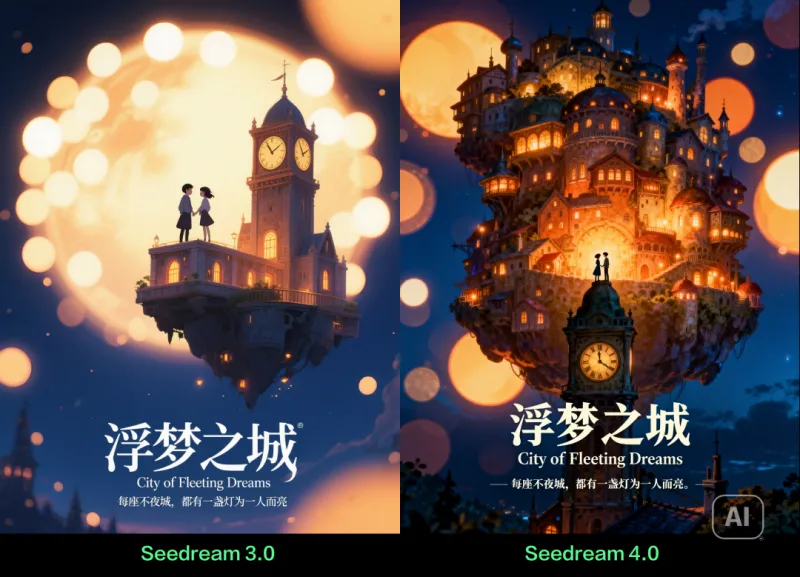
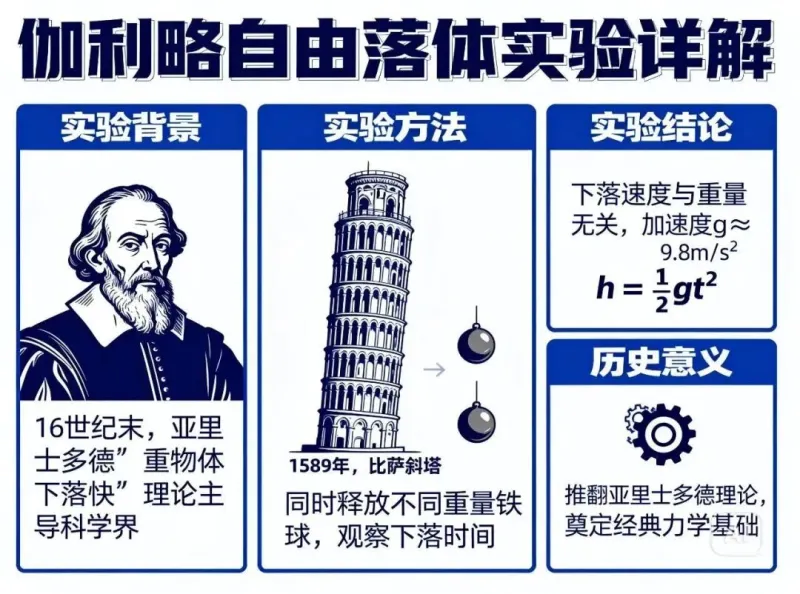

Dream City poster, Galileo infographic, fashion collage, western portrait, bedroom still life, robot design board — official demo frames, not placeholder blur.
Seedream 4.0 vs Seedream 4.5, Seedream 5.0 Pro, and GPT Image 2 — editing, portraits, text, design sense, refinement workflow, resolution, speed, and who should default to what.
| Dimension | Seedream 4.0 | Seedream 4.5 | Seedream 5.0 Pro | GPT Image 2 |
|---|---|---|---|---|
| Editing | High-fidelity edit + identity hold | High-fidelity edit + identity hold | Click · lasso · brush refinement | High-fidelity edit + identity hold |
| Portraits | Short copy readable · localization | Short copy readable · localization | Short copy readable · localization | Short copy readable · localization |
| In-image text | Short copy usable | Short copy readable · localization | High-density layout text | Short copy readable · localization |
| Design sense | Strong | Strong layout capability | Best design sense | Short copy readable · localization |
| Refinement workflow | Natural-language edits / variants | Natural-language edits / variants | Click · lasso · brush refinement | High-fidelity edit + identity hold |
| Resolution | Up to ~4K | Up to ~4K | Up to ~4K | Native 4K (3840×2160) |
| Speed profile | Faster reasoning-to-image | Quality-first channel | Quality-first channel | Faster reasoning-to-image |
| Default pick | Generate+edit baseline default | Stronger design & text default | Design-native flagship · interactive refine | OpenAI default for new projects |
Natural-language editing, stable portraits, knowledge-grounded layout, style range, ~4K output, scene coherence.
Add, remove, replace, and swap backgrounds via prompts. Change one spot and the whole body drifts — approved art means rerolling the set.
Photoreal faces and wardrobe details stay put. One drifted face and the portrait series is scrap.
Bedroom stills, annotated floor plans — materials and labels must hold up on review. One wrong label layer and the spec sheet is dead.
Fashion collages, badges, fantasy posters on one interface. One off-style frame and the brand board stops lining up.
Infographic columns and poster headlines stay readable. One blurred line and the lesson or ad mock is scrap.
Multi-panel spec sheets and version comparisons in one frame. Messy panels and the pitch won't pass review.
From precise annotations to poster comparisons, portraits to design boards — mapped to official demos. Work that used to mean a day of layout or retouching now starts as a reviewable prompt draft.

Annotated floor plans with arrows pointing to elements. One wrong arrow and construction comms break down.
Western canyon portrait — face and wardrobe must hold up zoomed in. One drifted face and the set is scrap.

Morning bedside alarm showing 07:30, vase and bedding. Blurred digits and the still life isn't credible.
Dunes, motorcycle, gown, and silver accessories on one board. Mismatched styles and the pitch board is dead.
Dream City poster with bilingual headlines. Blurred titles or loose composition and the KV can't ship.
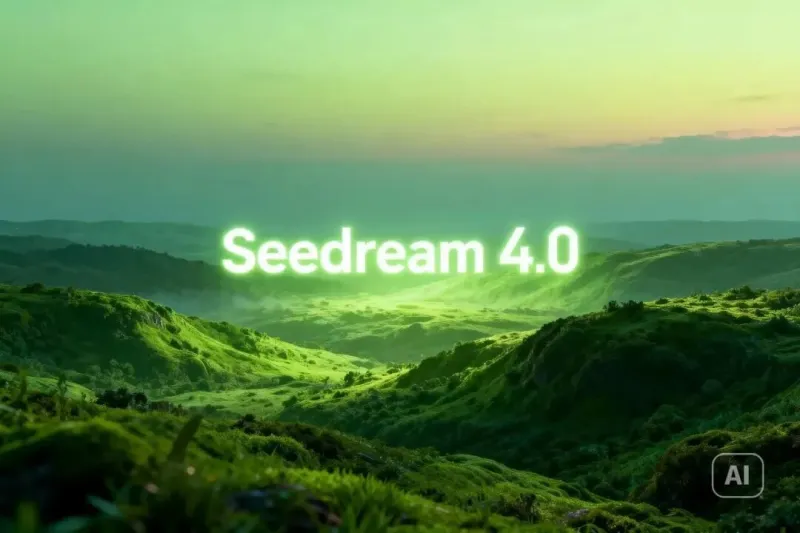
Brand headline over green hills. Type fighting the landscape and the hero won't lock.

GREEN mountain badge — graphic and type locked in frame. One broken letter and the whole asset set redoes.
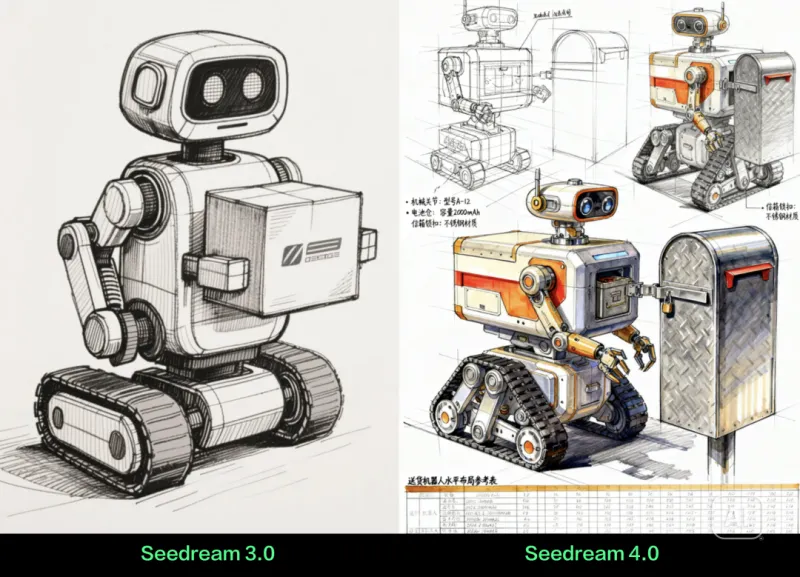
Delivery robot from sketch to color render plus spec table. Messy panels and reviewers can't follow the iteration.
When deliverables still need edits and reasoned layout, the gap shows up in prompt-level fixes, portrait drift, and whether to step up to 4.5 / 5.0 Pro — these teams default to Seedream 4.0 first.
Hero variants and identity assets. Reshooting every market once kills the schedule.
Infographics and design boards as discussable first passes. Lock direction, then step up to 4.5 or 5.0 Pro.
Poster and KV drafts. Broken type often kills the whole comp — readability comes first.
Column explainer graphics and series covers. One wrong annotation layer and the page isn't trustworthy.
Client changes one element — keep subject and lighting as intact as possible and skip a full rebuild round.
Natural-language rewrites on approved photos. Lost reference detail breaks the retouch chain.
Select Seedream 4.0 in the iMini image workspace — same account as 4.5 and 5.0 Pro.
State generate vs edit, text that must stay readable, and references to lock.
Download what works, or compare side by side with Seedream 4.5 / 5.0 Pro and GPT Image 2 before stepping up.
Close to official demos. Hover for full text, copy in one click, run on iMini; Chinese prompts supported.
Create a "Galileo Free-Fall Experiment Explained" infographic in blue and white. Columns: experiment background, method, conclusion, historical significance. Clear headings; conclusion states fall speed is independent of weight, g≈9.8m/s².
Photoreal western canyon portrait: young woman in wide-brim hat and brown neck scarf, single braid over shoulder, red rock cliffs and clear sky behind, golden-hour side light, clear skin and fabric detail, cinematic framing.
Morning bedroom still life: pale pink roses and silver alarm clock showing 07:30 on white nightstand, sheer curtains casting light on wood floor and carved headboard, lifestyle magazine photography style.
White-background fashion collage board: dune aerial, futuristic silver-white motorcycle, silver parachute, full-body white structural gown, geometric silver bracelet, silver clutch, vintage gold binoculars — minimalist haute couture collage.
Worth reading before you generate: free credits, how to choose vs 4.5 / 5.0 Pro, editing and resolution.
Generate+edit in one · knowledge reasoning · ~4K — compare with Seedream 4.5 and 5.0 Pro on one screen.
Generate free on iMiniNo vendor API key — your iMini account is enough.
.png.png!w640_webp)