
Best AI Models for Content Creation in 2026: GPT, Claude, Gemini Compared
Published on July 2, 2026
Content teams are no longer asking whether an AI model can write a caption or draft a blog post. The sharper question in 2026 is which model can hold a creative brief, reason across formats, and turn scattered inputs into publishable work without draining the team.
That is why the comparison between GPT-5.6, Gemini 3.5 Pro, and Claude Sonnet 5 matters. Each model represents a different bet on the future of AI content creation: deeper agent workflows, stronger multimodal context, or safer everyday execution.
The Short Verdict
GPT-5.6 is the one to watch for complex creative operations, especially if your team wants AI agents that can research, plan, write, revise, and hand off work. Early reporting describes it as a controlled preview model, which means availability may be gradual rather than instant.
Gemini 3.5 Pro is the most interesting pick for multimodal teams. Its rumored July window and testing signals around Antigravity and LMArena suggest a model built for long tasks, coding, visual reasoning, and agent-style workflows.
Claude Sonnet 5 is the practical daily driver. It is positioned as a more affordable model for browsing, coding, planning, and knowledge work, with a safer profile than Anthropic's highest-risk frontier models.
GPT-5.6: Best for Agentic Production
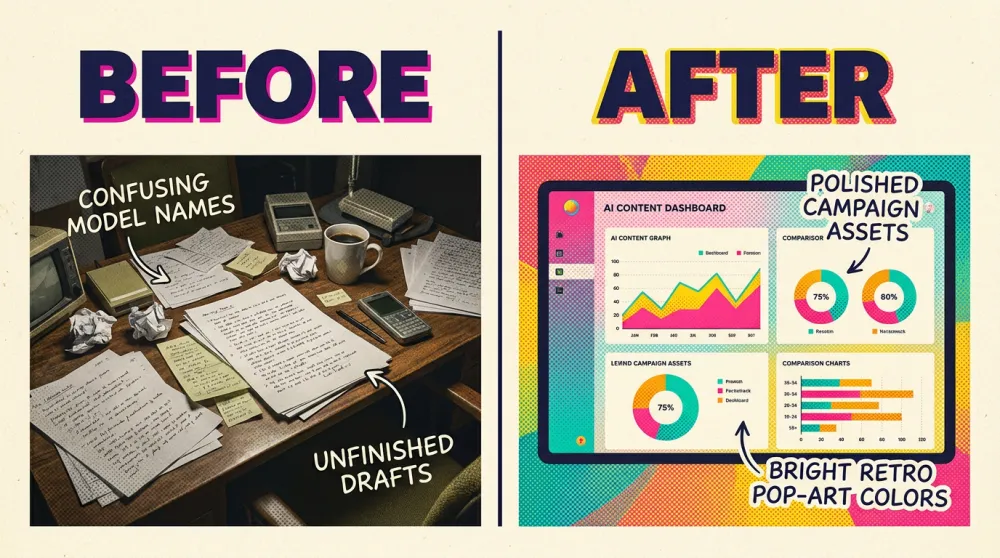
GPT-5.6 looks like the most ambitious choice for teams that want AI to coordinate creative work, not just generate isolated drafts. If your workflow involves research, outlines, image prompts, landing page copy, email sequences, and revision notes, an agentic model can reduce the friction between every step.
The caveat is access. The strongest OpenAI models are increasingly being released through controlled previews, safety reviews, and selected partner testing. For creators, that means GPT-5.6 may be powerful but unevenly available at first.
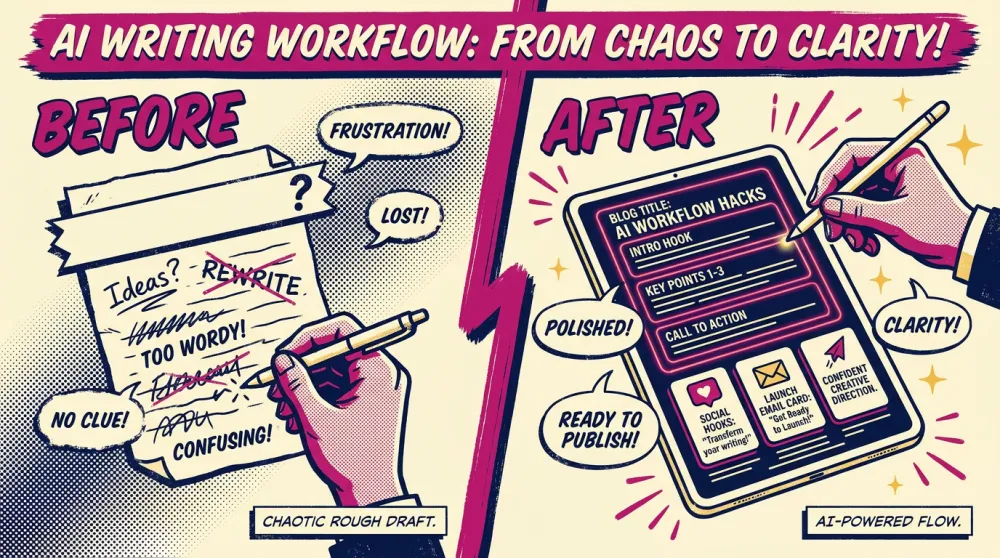
Create a campaign system for a new AI design tool. Include the core message, blog outline, image prompt direction, three social hooks, and a launch email angle. Keep the tone sharp, visual, and conversion-focused.
Gemini 3.5 Pro: Best for Multimodal Planning
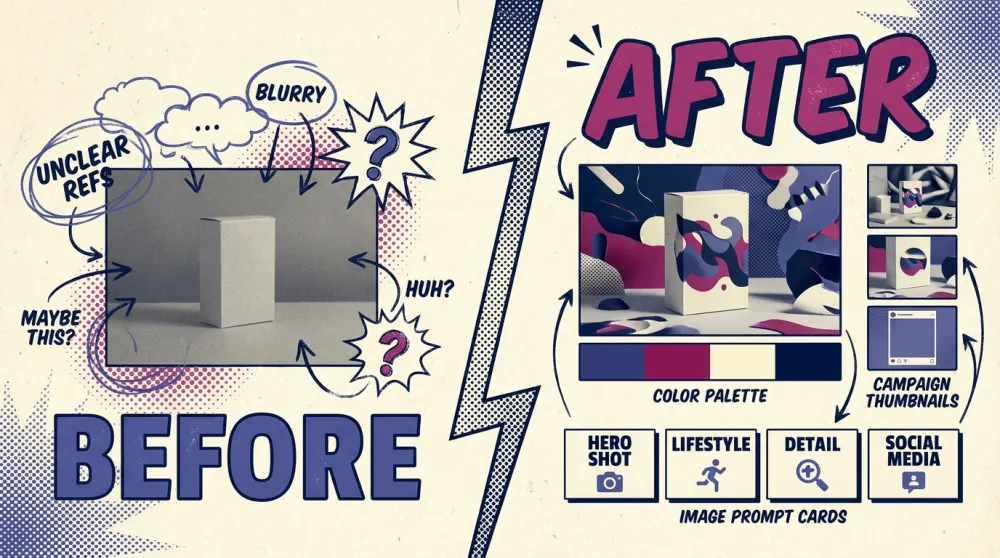
Gemini 3.5 Pro is the model to watch if your content workflow depends on seeing, comparing, and transforming visual information. A strong multimodal model can look at a product screenshot, ad reference, brand board, or competitor page, then translate that context into usable creative direction.
That matters because modern content is rarely just text. A blog post needs a hero image, section visuals, metadata, social snippets, and sometimes video concepts. The best AI model for content creation should understand the whole package.
Claude Sonnet 5: Best for Editorial Reliability
Claude Sonnet 5 stands out for teams that care about polished structure, careful tone, and dependable knowledge work. It is less about spectacle and more about making a messy draft clearer, more useful, and easier to publish.
That makes it valuable for long-form blog editing, product explainers, help articles, research summaries, and brand-safe content. If GPT-5.6 is the ambitious production operator and Gemini 3.5 Pro is the multimodal planner, Claude Sonnet 5 is the editor you trust with the final pass.
Rewrite this rough product article into a clear editorial guide. Keep the factual claims cautious, improve the section flow, remove filler, and make the CTA feel natural.
Which Model Is Best for Images and Video?
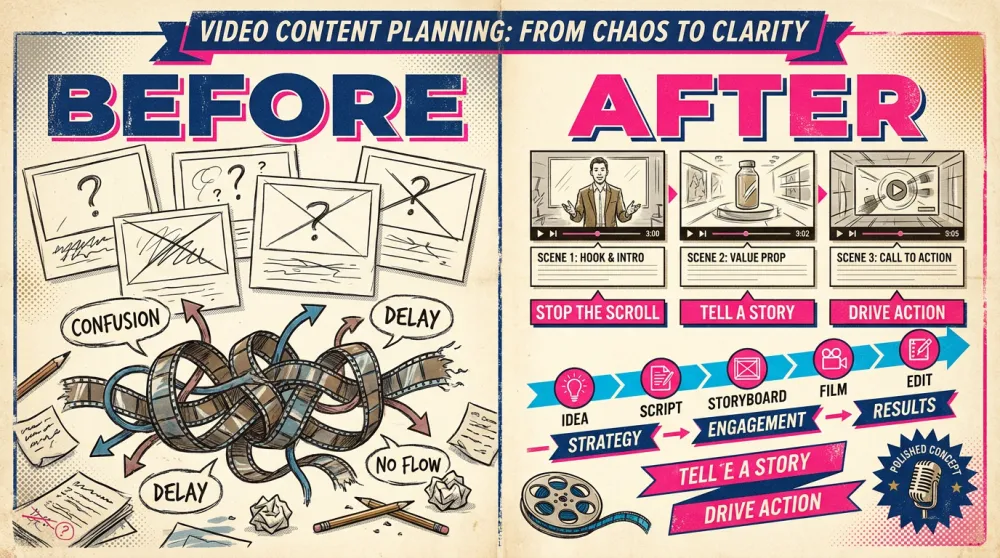
For image and video workflows, the winning model is usually the one that can write better prompts, understand references, and keep a campaign concept consistent across formats. A text-only answer is no longer enough when creators need posters, thumbnails, video storyboards, and product mockups.
Gemini-style visual reasoning is useful when the input is visual. GPT-style agent planning is useful when the campaign has many moving parts. Claude-style editing is useful when the creative idea needs a cleaner story before it becomes an image or video prompt.
Which Model Is Best for Social Content?
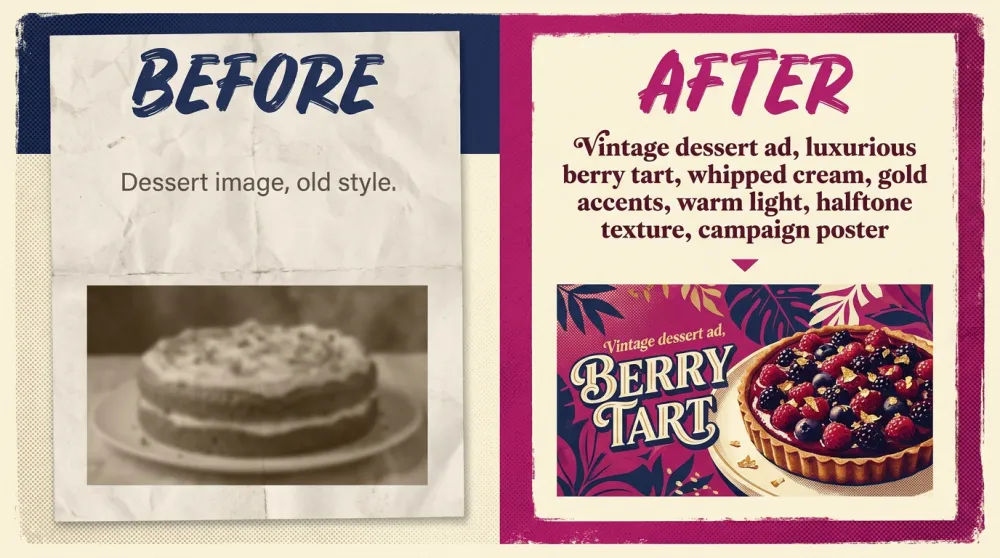
Social content rewards speed, taste, and variation. GPT-5.6 is promising when you need a full campaign system. Gemini 3.5 Pro is promising when the post depends on an image, screenshot, or video frame. Claude Sonnet 5 is strong when your brand voice needs to stay controlled.
The best workflow is often not one model. Use one model to create the concept, another to sharpen the message, and a visual model to generate the final asset. That is how a single idea becomes a carousel, short video hook, thumbnail, and blog CTA.
How to Choose the Right Model
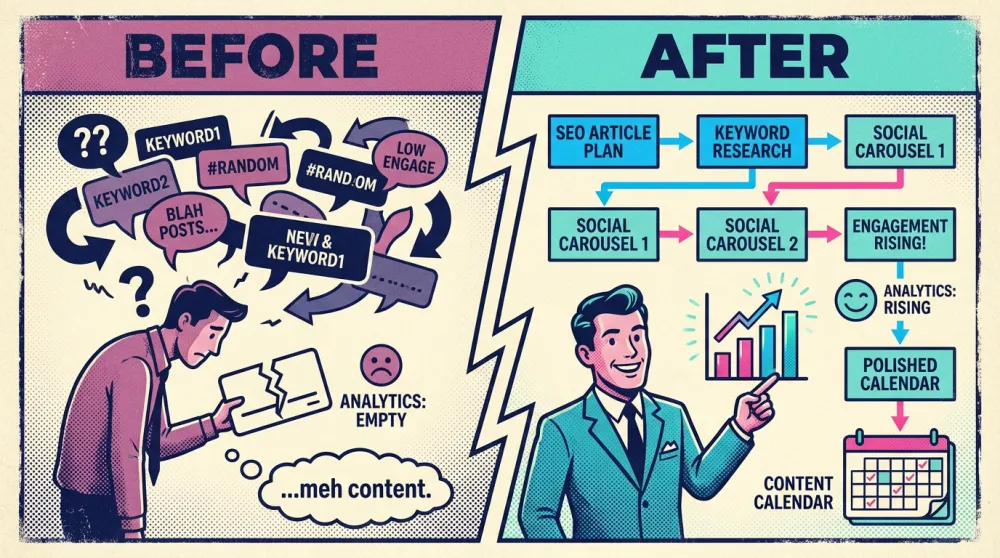
Choose GPT-5.6 when the job is complex, multi-step, and operational. Choose Gemini 3.5 Pro when the job depends on visual context or multimodal reasoning. Choose Claude Sonnet 5 when the job needs clean prose, careful reasoning, and brand-safe polish.
For most creators, the smartest answer is a multi-model workflow. A marketer might use Gemini to analyze an image reference, GPT to plan the campaign, Claude to refine the final article, and an image model to generate visual examples.
About iMini AI
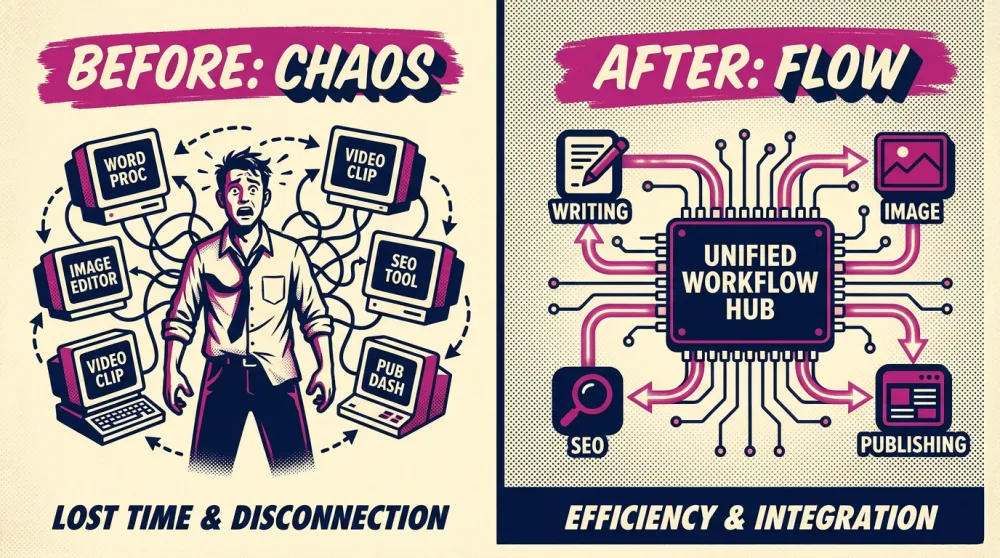
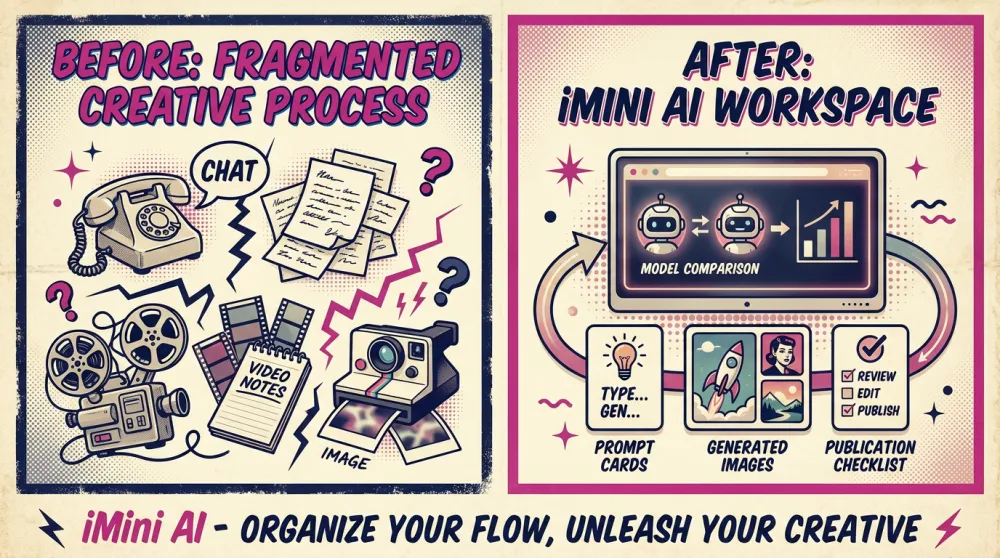
iMini AI is built for exactly this kind of multi-model creative workflow. Instead of forcing creators to treat every model as a separate tool, iMini helps bring writing, image generation, video ideas, prompts, and model comparison into one creative workspace.
For a content team, that means faster experimentation. You can test a blog angle, turn it into image prompts, compare model outputs, and keep the best result moving toward publication without rebuilding the workflow from scratch every time.
Conclusion
The best AI models for content creation in 2026 are becoming less interchangeable. GPT-5.6 points toward ambitious agentic production, Gemini 3.5 Pro points toward multimodal planning, and Claude Sonnet 5 points toward reliable editorial execution.
The real advantage comes from knowing when to use each one. Creators who build flexible multi-model workflows will move faster, publish better, and turn more ideas into finished assets.