
Gemini 3.5 Pro vs Fable 5: The AI Model Race Becomes a Workflow Race

July 7, 2026
The Gemini 3.5 Pro leak is not just another model rumor. Read together with the Fable 5 comparisons in the original Chinese report, it feels like a clearer map of where the AI model race is going: not one model to rule every workflow, but several models fighting for different parts of the creative and engineering stack.
The loudest claim is that Gemini 3.5 Pro may arrive around July 17 and make its biggest leap in front-end generation. The more interesting question is what that means next to Fable 5, a model described in the same leak cycle as stronger for deep coding, repo-level debugging, and heavy engineering work.

The Story Is Not “Gemini Beats Everyone”
The tempting headline is that Gemini 3.5 Pro is about to crush Fable 5. The better reading is more specific: Gemini looks unusually strong when the output is visual, front-end shaped, and easy to judge at a glance.
That matters because UI generation is emotional. A page either feels alive or it feels like a template. In the developer screenshots circulating on X, the strongest examples are not just code snippets; they are screens with spacing, rhythm, hierarchy, and a sense that someone cared about the final surface.
Fable 5, by contrast, is framed less like a showy designer and more like a senior engineer who can sit inside a difficult repository for hours. That distinction is the heart of the article: Gemini 3.5 Pro may win the first impression, while Fable 5 may still win the long shift.

Why Front-End Generation Suddenly Matters
For years, code generation was judged by whether a model could pass tests, explain errors, or complete a function. Front-end generation adds another layer: taste. A model has to understand alignment, density, typography, color, state, and the tiny visual decisions that make a product feel coherent.
That is why the leak's SVG examples are more than decoration. SVG forces the model to write geometry, composition, and code at the same time. The UI and SVG examples shared by developers suggest that Gemini 3.5 Pro may have improved at that blended skill: thinking visually while producing runnable artifacts.
If true, this is a real product shift. A designer can use the model for quick directions. A founder can turn a rough product idea into a page that has mood. A content team can generate visual explanations without waiting for a full design pass.

Where Fable 5 Still Sounds Hard to Replace
Fable 5 enters the story as the counterweight. The original article repeatedly uses it as the model to beat, but it also draws a boundary: front-end brilliance is not the same as total engineering dominance.
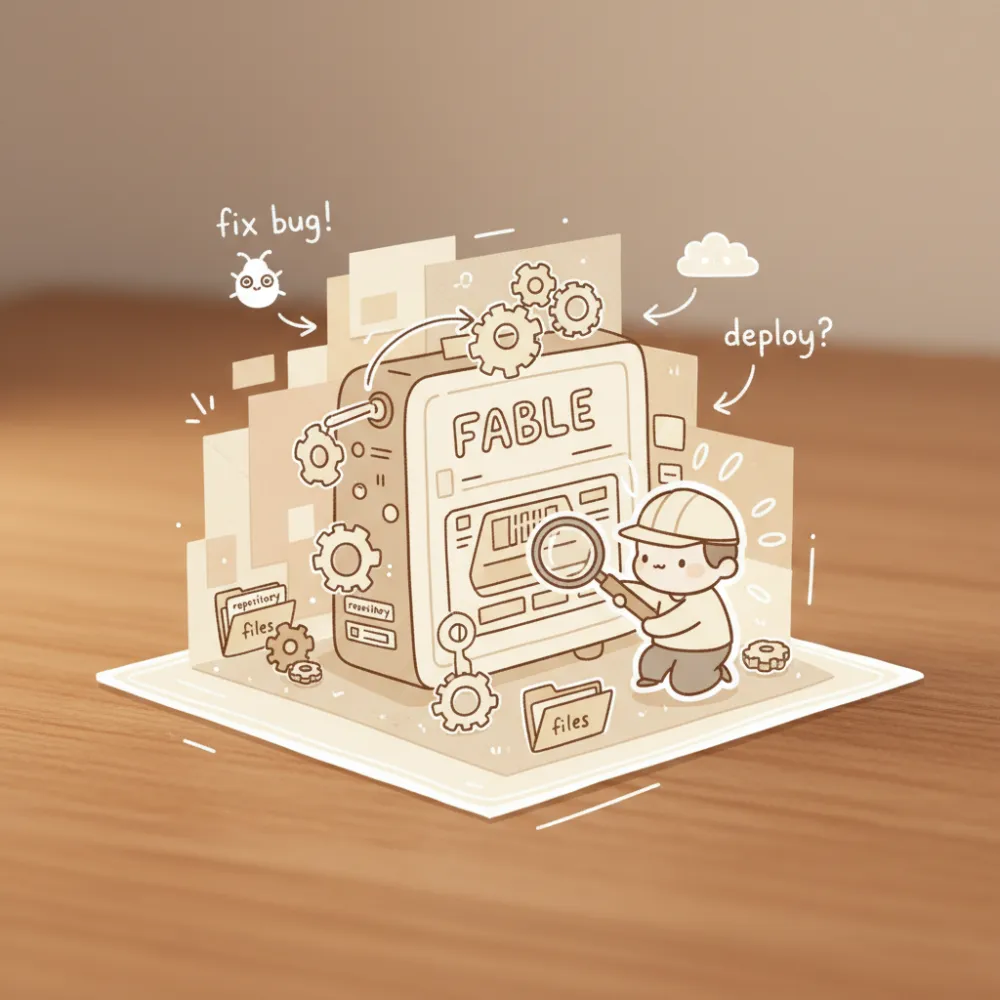
Think of Gemini 3.5 Pro as the model that may sketch the storefront beautifully. Fable 5 is the one you call when the wiring behind the wall is broken, the build system is angry, and the old codebase has three layers of history nobody wants to touch.
That is why the comparison matters. If Fable 5 stays ahead on agent tasks, deep debugging, and architecture refactoring, then Gemini's visual leap is still a specialized victory. It changes who gets the best first draft, not necessarily who owns the whole software lifecycle.
The Useful Comparison
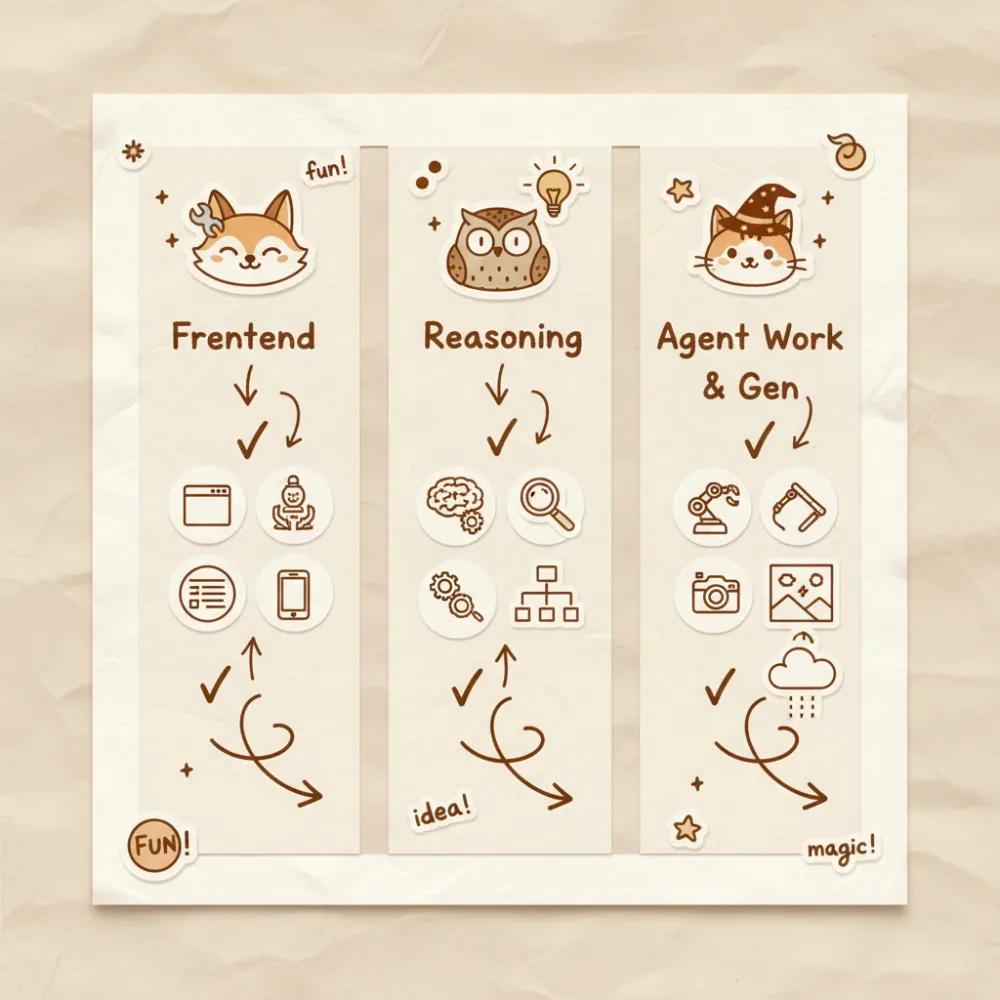
A better way to read the leak is as a workflow split. Gemini 3.5 Pro wants to compress the distance between idea and interface. Fable 5 wants to compress the distance between broken code and working system. GPT-5.6, at least in the leaked framing, remains part of the long-reasoning conversation.
ModelWhere it feels strongestBest fitWhat to watchGemini 3.5 ProFront-end generation, SVG, visual code, one-shot UI polishCreators and product teams turning a prompt into a presentable screenThe leak still leaves hard agent work and long repo tasks unresolvedFable 5Repository-scale engineering, debugging, architecture changes, multi-step codingEngineering teams that need a model to stay calm inside a messy codebaseLess of a visual showpiece, more of a heavy-duty builderGPT-5.6Long reasoning chains, planning, difficult multi-step tasksWorkflows where judgment and sustained reasoning matter more than instant UI beautyMay not be the flashiest front-end generator in this leak cycle
This table is not a final benchmark. It is a practical reading of the signals: use Gemini when the visual surface matters early, use Fable-style systems when the repository itself is the problem, and use a reasoning-heavy model when the task needs planning before production.
The Hidden Strategy: Text, Interface, Image
The leak also hints at a second layer: Nano Banana Pro, a possible image model said to be connected to the same new Gemini 3.5 Pro foundation. That detail, mentioned alongside the later leak thread, makes the front-end story feel bigger than coding.
If Google's new base model can improve visual code and image generation together, the strategy is not just “write better React.” It is to connect prompt, layout, illustration, asset, and campaign output into one faster creative loop.
That is where tools like iMini become relevant. The user does not only need a model that can reason; they need a workflow that turns a rough idea into something publishable, visual, multilingual, and easy to reuse.
About iMini
iMini is built for the messy middle between imagination and production. You can start with a prompt, shape it into a visual asset, localize the idea across languages, and use the result in a blog, campaign, product page, or creative experiment.
In a world where Gemini 3.5 Pro may be strong at visual code and Fable 5 may remain strong at deep engineering, the winning workflow is not choosing one hero model forever. It is knowing which model should handle which layer, then moving the output into a toolchain that can actually publish.
Conclusion
The Gemini 3.5 Pro leak is exciting because it makes the model race feel more human. One model has taste. Another has endurance. Another may still have the clearest long-form reasoning.
If the July 17 rumor becomes real, the key question will not be whether Gemini 3.5 Pro can make a beautiful screenshot. The real question is whether it can keep that taste when the prompt is vague, the page has real constraints, and Fable 5 is still waiting in the background to handle the hard engineering work.