
Fable 5 and GPT-5.6: The New Era of Premium AI Model Access

Published on July 2, 2026
AI model competition is no longer only about who has the smartest benchmark score. In 2026, the more practical question is who can actually access the best model, when they can use it, and what limits sit between the user and the output.
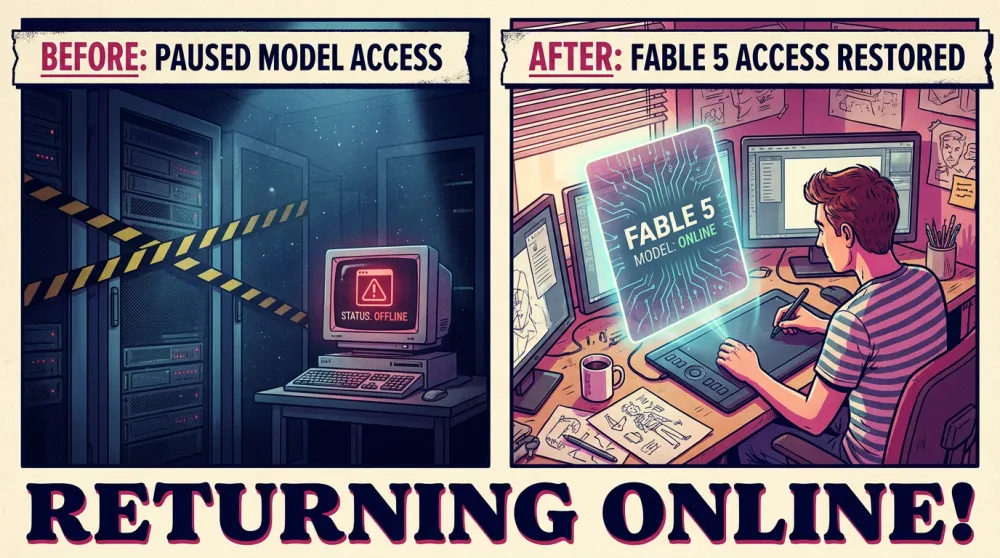
Fable 5 has become a useful signal for this shift. After a period of restricted access tied to safety and export-control concerns, its return shows that advanced AI models are turning into managed, premium, and sometimes scarce creative infrastructure.
The Short Version
Fable 5 matters because it turns model access into the story. The model itself is important, but the bigger trend is the system around it: government review, platform rules, subscription tiers, usage windows, and safety boundaries.
For content creators, that means the best AI workflow is not simply choosing one model and hoping it is available. It is learning how to route different tasks through the right models, keep creative work moving, and avoid getting blocked by access limits.
What Is Fable 5?
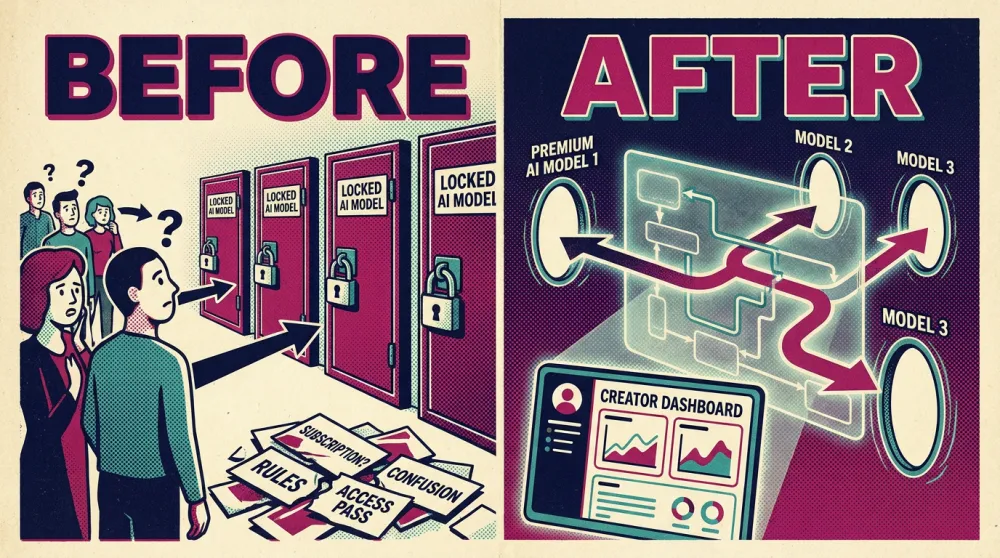
Fable 5 is one of Anthropic's advanced Claude models that drew attention because access to it was restricted, then restored under tighter expectations. Public reporting has connected the model to concerns around powerful cyber capabilities and the broader debate over how frontier AI should be released.
The key point for creators is not that every user needs Fable 5 for every task. The key point is that high-end models are increasingly treated like controlled resources, not simple app features that appear for everyone at the same time.
Why Access Is Becoming the New Feature
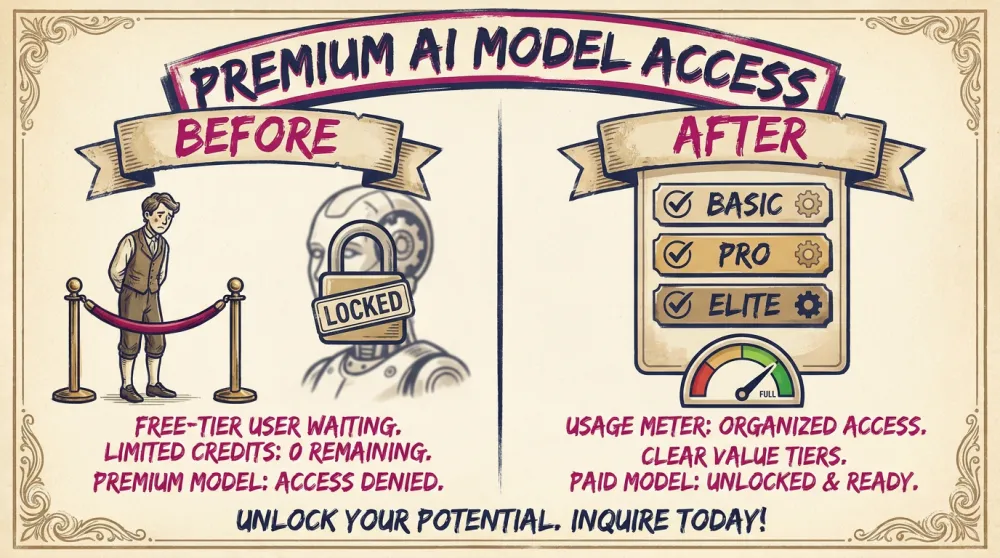
When a model becomes powerful enough to handle complex reasoning, coding, security analysis, or long agentic tasks, access itself becomes part of the product. A platform has to decide who gets it, how often they can use it, what tasks are allowed, and how risk is monitored.
This changes the way creators should evaluate AI tools. The question is not only whether a tool claims to include advanced AI models. It is whether the workflow makes those models usable, explainable, and available when real work needs to ship.
Safety Reviews Are Shaping Product Timelines
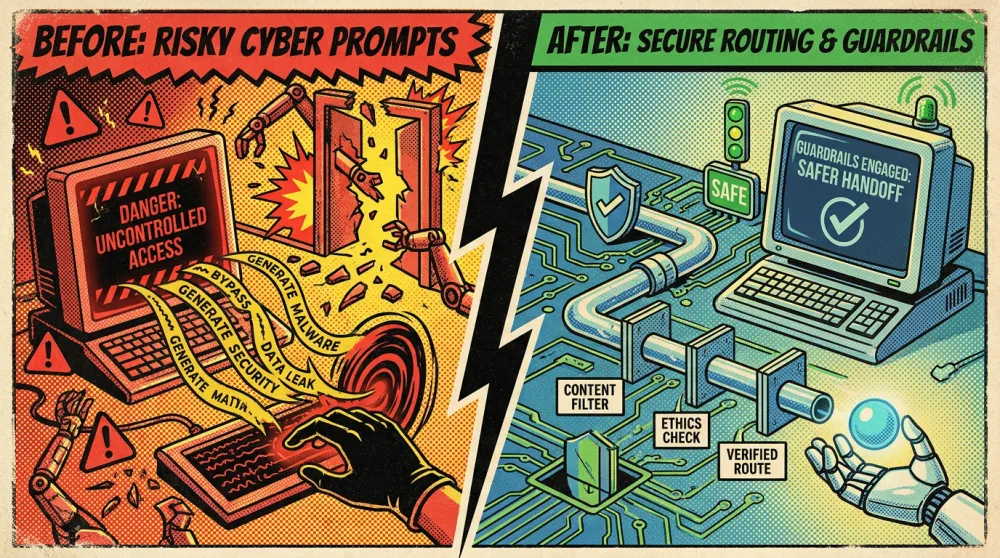
Fable 5 also points to a larger release pattern. Advanced models are moving through safety discussions, export-control conversations, and selective access windows before they reach ordinary users. That can slow down public launches, but it can also make platforms more deliberate about how powerful capabilities are exposed.
For marketers, writers, designers, and small teams, this means the AI landscape may feel uneven. One week a model is unavailable, the next week it returns with limits, and another model may be available only inside a specific subscription or partner program.
What It Means for Creators
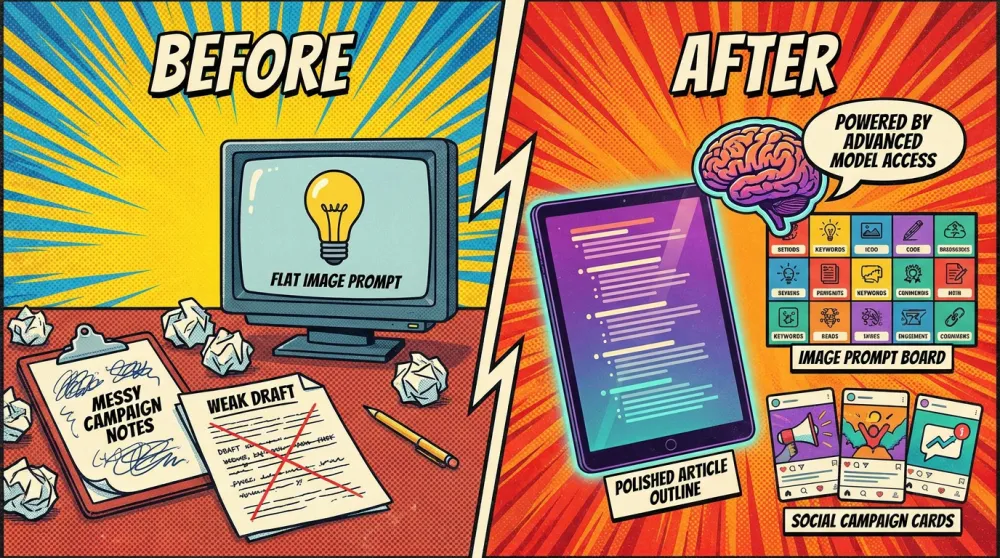
Creators do not need to follow every policy detail to feel the impact. If the strongest models are gated, rate-limited, or region-limited, then creative teams need fallback paths. A strong article, image prompt, video concept, or campaign plan should not depend on one model being available at one exact moment.
The practical answer is a multi-model workflow. Use the most capable model when it is available, use a reliable model for drafting and editing, and use specialized visual models for campaign assets. The winning system is flexible enough to keep production moving.
Model Routing Will Matter More Than Model Loyalty
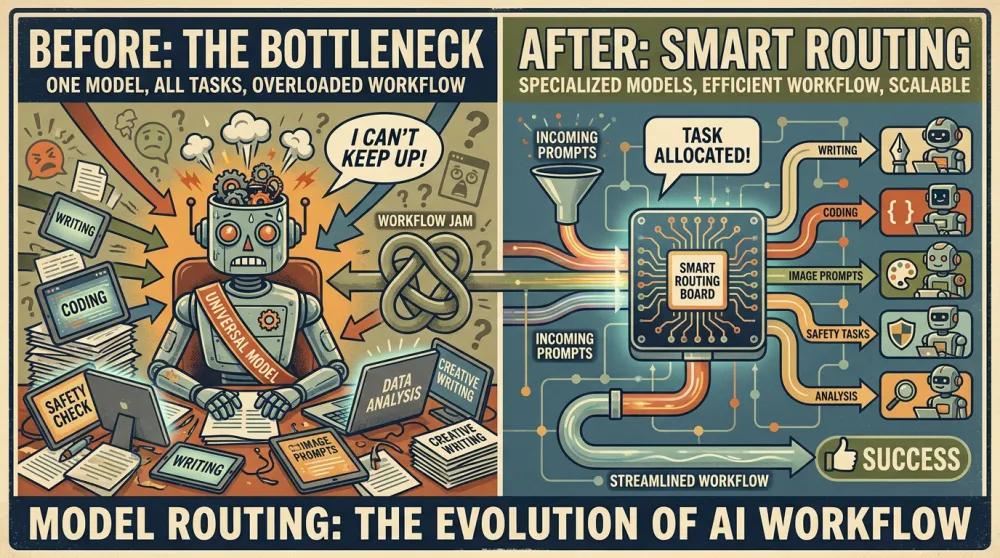
Fable 5 is part of a broader lesson: creators should stop thinking about AI as a single favorite model. A better system routes each task to the model that fits the job. Research, writing, coding, image prompts, video concepts, and final editing may all benefit from different strengths.
This is where AI model access becomes a workflow advantage. A creator who can compare outputs, switch models quickly, and keep context organized will move faster than a creator who waits for one unavailable model to do everything.
A Prompt Example for Premium Model Access
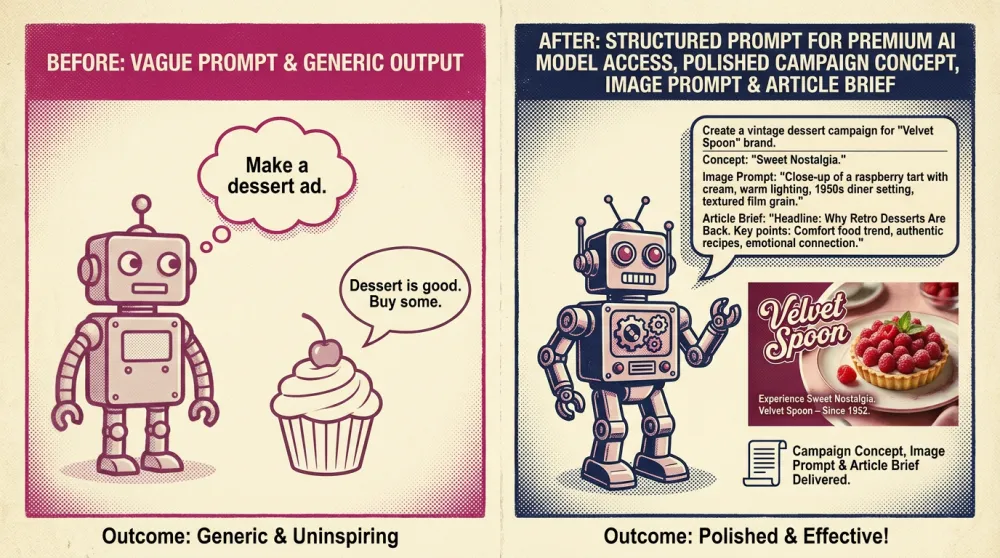
When you do get access to a stronger model, the prompt should make the work worth the cost. Give it a role, a clear output shape, constraints, and a decision framework instead of asking for a generic answer.
You are a senior AI content strategist. Build a launch plan for a new multi-model creative platform. Explain which tasks should use a frontier reasoning model, which should use a reliable editing model, and which should use an image generation model. Include risks, fallback options, and a publish-ready blog angle.
About iMini AI
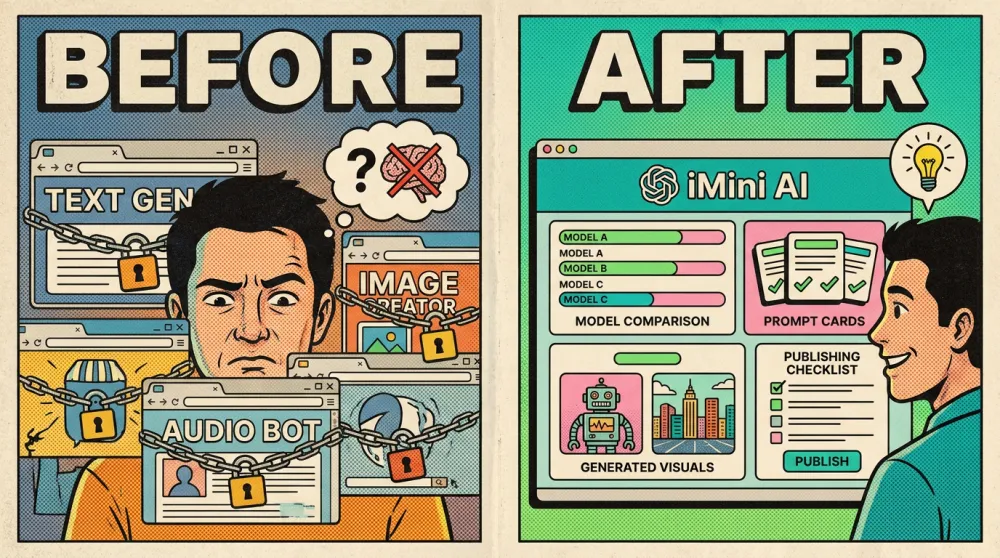
iMini AI is built for this new reality of AI model access. Instead of forcing creators to jump between disconnected tools, iMini brings writing, image generation, prompt work, video ideas, and model comparison into one creative space.
That matters when advanced models like Fable 5 become powerful but selectively available. A multi-model workspace helps creators test ideas, compare results, and keep moving even when one model has limits.
Conclusion
Fable 5 is more than one model update. It is a sign that advanced AI model access is becoming a core part of the creator workflow, shaped by safety, pricing, availability, and platform design.
The creators who win in 2026 will not simply chase the newest model name. They will build flexible workflows that make the best available model useful at the right moment.