
How Codex AI Is Changing Graphic Design in 2026
June 15, 2026
Codex AI graphic design isn't just changing how designers work — it's changing what design work even means. In 2026, the gap between what takes a week and what takes an afternoon has collapsed in ways most people outside the design industry haven't fully registered yet. Here's what's actually shifting, and what it means for anyone who creates visual work for a living.
What Codex AI Means for Graphic Design
Codex AI in the design context refers to AI systems that can translate natural language intent into visual output — images, layouts, brand assets, UI components — at near-instant speed. Unlike earlier AI image tools that generated from scratch with limited control, today's Codex-generation models understand design vocabulary: they know what "premium," "approachable," or "brutalist" looks like, and they can apply those aesthetics consistently across a project.
Platforms like iMini AI bring Codex AI capabilities into practical design workflows without forcing designers to rebuild their entire process from scratch. The technology slots in, rather than replaces.
5 Ways Codex AI Is Changing Graphic Design in 2026
1. Repetitive Production Work Is Effectively Automated
Resizing assets across 12 ad formats. Generating 30 color variants. Batch-exporting files for five different platforms. These tasks used to eat 40–60% of production designers' time. In 2026, Codex AI handles them in minutes, with output quality that's consistent enough to go straight to review.
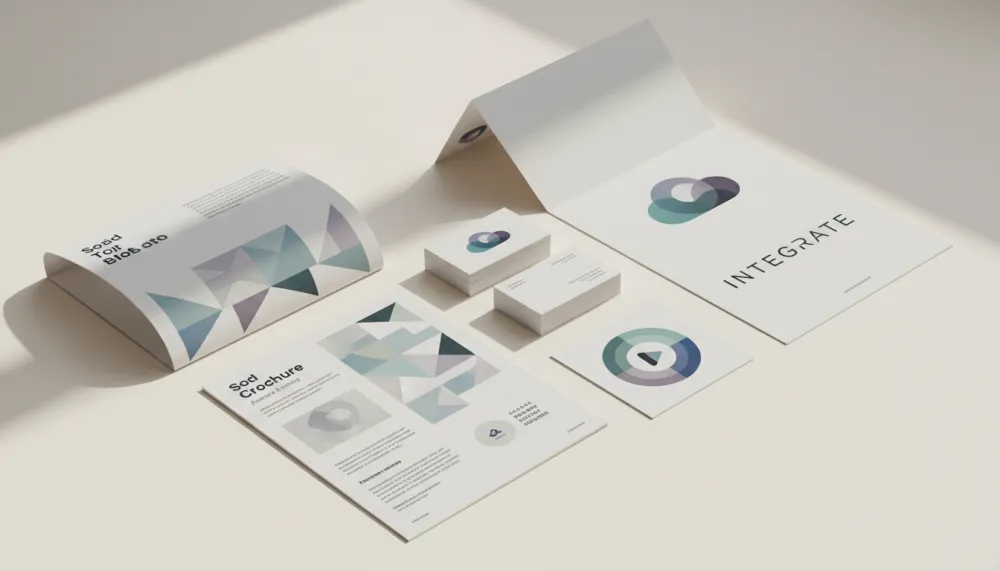
Studios report production turnaround times dropping by 40–60% on standard deliverables. The freed-up hours aren't being banked — they're being reinvested into the upstream creative decisions that used to get squeezed by production pressure.
2. The Concept-to-Prototype Cycle Has Compressed
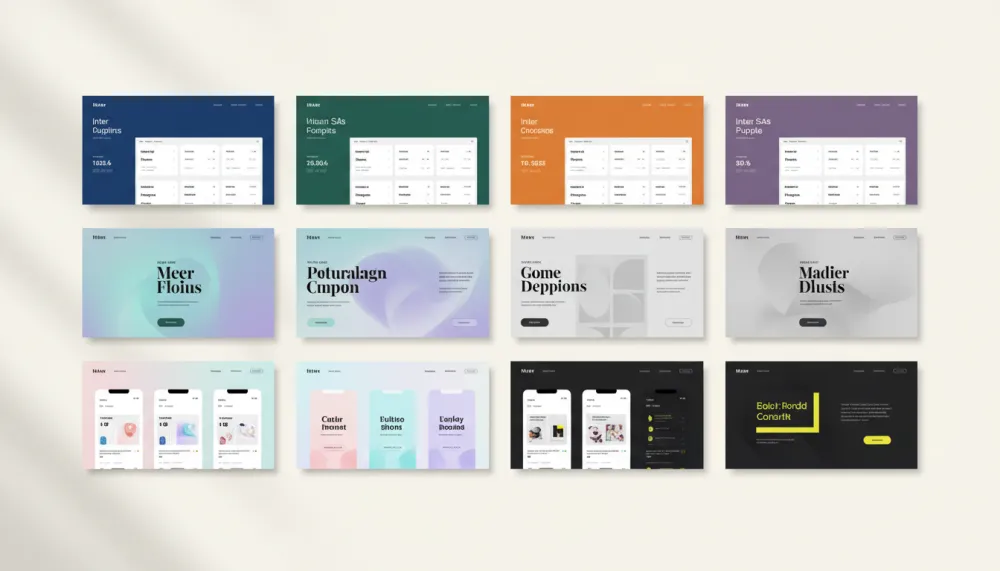
Traditional design briefs moved from written concept to visual prototype over days, sometimes weeks. With Codex AI, a designer can generate 20 directional concepts in an afternoon, walk into a client meeting the same day, and iterate in real time based on feedback.
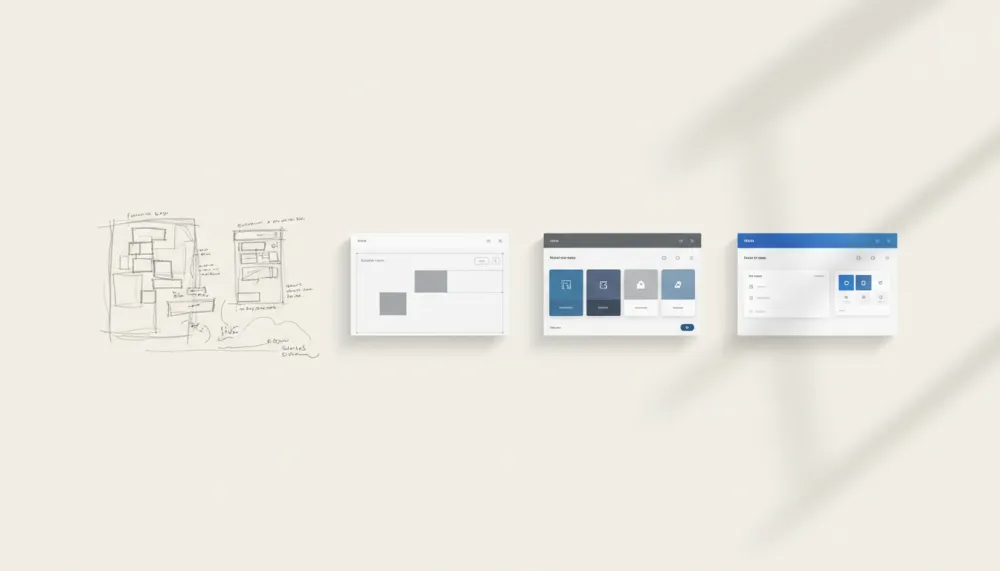
The rhythm of design projects has fundamentally changed. What used to be revision rounds stretched over weeks is now a conversation that happens in a single session. That compression has made client relationships faster and more collaborative — and has raised expectations on both sides.
3. Non-Designers Can Now Produce On-Brand Visuals
Marketing managers, founders, content creators — people without formal design training — can now produce visuals that sit reasonably close to professional quality. This is the most culturally significant shift Codex AI has driven in the design industry.
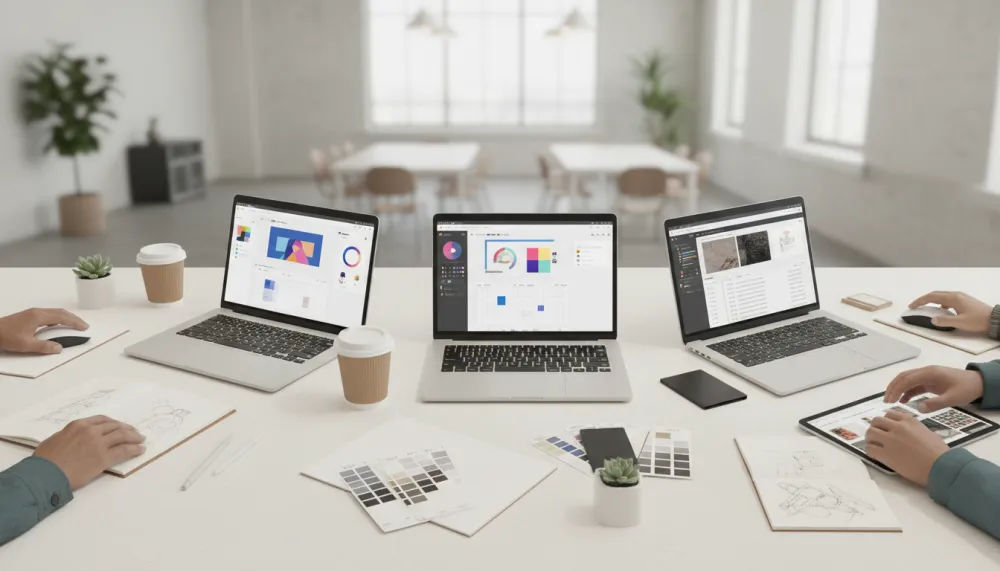
Tools like iMini AI provide guardrails that keep output consistent even without professional design judgment: style presets, brand lock-in parameters, and quality filters that prevent the kinds of off-brand outputs that plagued earlier no-code design tools. The result isn't that designers are being replaced — it's that the definition of "design work" has shifted up the skill ladder.
4. Real-Time Iteration Has Changed Client Dynamics
One of the most practically impactful shifts: designers can now generate live revisions during client calls. A client says "can we make it feel warmer?" and within 30 seconds a warmer version is on screen. "What about a darker palette?" — 30 more seconds.

This isn't a small process improvement. It changes what a client presentation is. Instead of presenting finished work to be approved or rejected, designers are now facilitating visual conversations. The dynamic is more collaborative and less adversarial — which, counterintuitively, leads to better work.
5. The Designer's Role Is Shifting Toward Creative Direction
As AI handles more of the execution, the most valuable thing a designer brings to a project is taste. Knowing which direction is right, which option serves the brand's actual communication goals, which composition carries the emotional weight the brief calls for — these are judgment skills that AI cannot replicate.
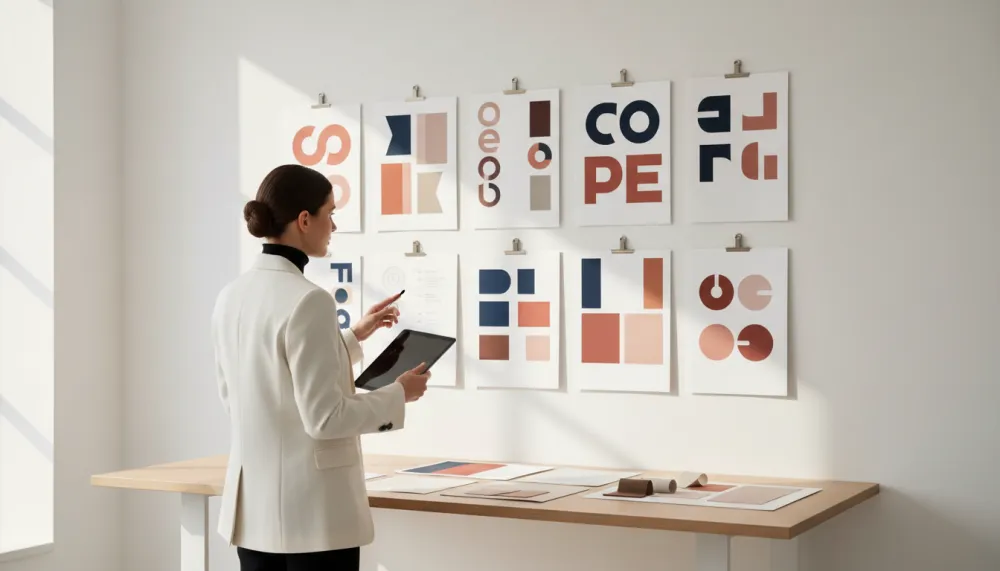
Art direction, brand strategy, and conceptual thinking are becoming more central to what designers do, not less. The designers who are thriving in 2026 are the ones who've leaned into this shift rather than competed with AI on its own terms.
What Graphic Designers Should Do Right Now
The designers building sustainable practices in 2026 have done three things: they've integrated AI as a production collaborator (not a replacement), they've doubled down on the strategic and conceptual skills AI can't replicate, and they've learned to communicate the value of those skills explicitly to clients.
Start by experimenting with iMini AI's multi-model canvas — it's one of the fastest ways to see how Codex AI integrates into a real design workflow without disrupting your existing process. For grounded perspective on how the design profession is evolving, AIGA's research on design and technology offers data-driven context on where skills demand is moving.
About iMini AI
iMini AI is the platform where Codex AI graphic design becomes a practical workflow rather than a theoretical capability. Its multi-model canvas brings together the world's leading AI image generation models — including Nano Banana Pro, Seedream 4.0, and others — in a single collaborative workspace, letting designers run multiple creative directions simultaneously and compare outputs side by side.
For graphic designers specifically, iMini AI's infinite canvas is where the real productivity gain happens. You can generate a batch of 20 concepts, lay them out visually, annotate what's working, and feed that context directly into your next generation cycle — all without leaving the canvas. It's a workflow that matches how design thinking actually works, rather than forcing designers to adapt their process to the limitations of the tool.
iMini AI also supports video generation, document creation, and deep research capabilities — making it the kind of integrated creative workspace that a design studio or marketing team can build an entire visual workflow around. Explore iMini AI and see how Codex AI transforms your graphic design process.
Summary
Codex AI graphic design has moved from experimental to essential in 2026. The five shifts covered here — automated production, compressed concept cycles, democratized visual creation, real-time client iteration, and the elevation of creative direction — aren't coming. They've arrived.
The designers who will define the next decade of this industry aren't the ones who resisted AI — they're the ones who understood it early, integrated it strategically, and used the time it freed up to do the creative work that only humans can do. The tools are ready. The question is whether you are.