
AI 图片提示词工程 2026:生成更好视觉效果的实用公式
如果你生成的 AI 图片总是模糊、千篇一律,或者就是哪里不对劲,问题几乎不在模型,而在提示词的写法。大多数人把提示词当搜索框用——打几个关键词、回车、碰运气。那些每次都能生出让人眼前一亮的画面的人,靠的是一套固定公式。这篇指南把公式给你,外加 10 个可以直接复制的模板,覆盖博客封面、产品图、社交人像到电影场景。
为什么大多数 AI 图片提示词都失败
模糊的提示词只会生出模糊的结果。"一个人在用电脑"可以是任何东西——俗气的图库照、卡通插图、昏暗的电影静帧。模型不知道你真正想要什么,因为你没告诉它那四件关键的事:画面里有什么、整体风格是什么、光线怎么打、想传达什么情绪。
第二个常见错误是"提示词写太多":洋洋洒洒两百字,中途自相矛盾。模型碰到冲突信号会取折中,最后生出一张什么都沾一点、什么都不像的图。结构清晰的短提示词,永远比混乱的长提示词强。
AI 图片提示词的五段式公式
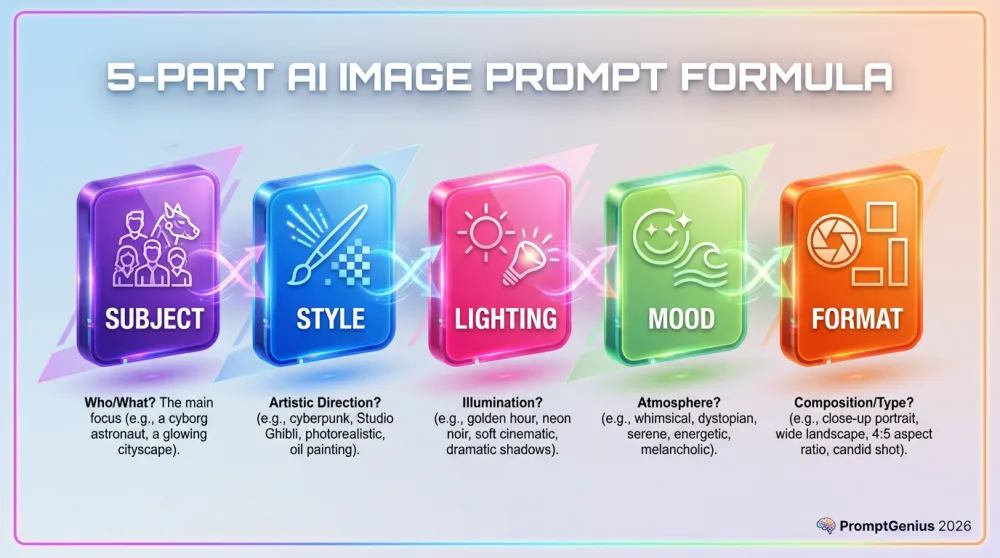
所有效果出色的 AI 图片提示词,都可以拆成五个部分。掌握这五段,任何场景两分钟内就能写出强力提示词。
第一段:主体——你想看到什么
要写得具体。不是"一个女人",而是"一个有卷发、神情自信、穿着亮黄色夹克的 Z 世代女生"。包含数量、外观特征、正在做什么。主体越具体,模型需要猜测的就越少。
第二段:风格——整体视觉感要怎样
给模型一个明确的视觉参照:"平面向量插图"、"超写实商业摄影"、"时尚杂志编辑风"、"Pixar 3D 渲染"。风格决定整张图的视觉语言,是最不能省略的一段。
第三段:光线——氛围的核心
光线是提示词工程里最常被忽略、但影响最大的变量。"柔和的漫射自然光"和"戏剧性的低调侧灯加深阴影"——同样的主体,情绪完全不同。一定要写清楚。
第四段:构图——怎么安排画面
告诉模型元素要怎么摆:"远景全场景"、"面部特写"、"三分法,主体在左三分之一"、"正上方俯视角"。构图决定观者的目光第一眼落在哪。
第五段:质量修饰词——最后的打磨
每个提示词结尾都加上质量描述:"超清晰、8K 细节、专业色调调整、电影景深、商业摄影获奖水准"。这些词能把模型推向最高输出水准,而且一个字都不花多——永远要加。
10 个可直接复制的 AI 图片提示词模板
应用公式最快的方式,是从现成模板出发,换上自己的内容。以下每个模板都是完整的,可以直接粘贴到任何 AI 图片生成工具。把方括号里的占位符换成你的内容,直接生成。
模板 1 — 博客封面:现代 SaaS 风格
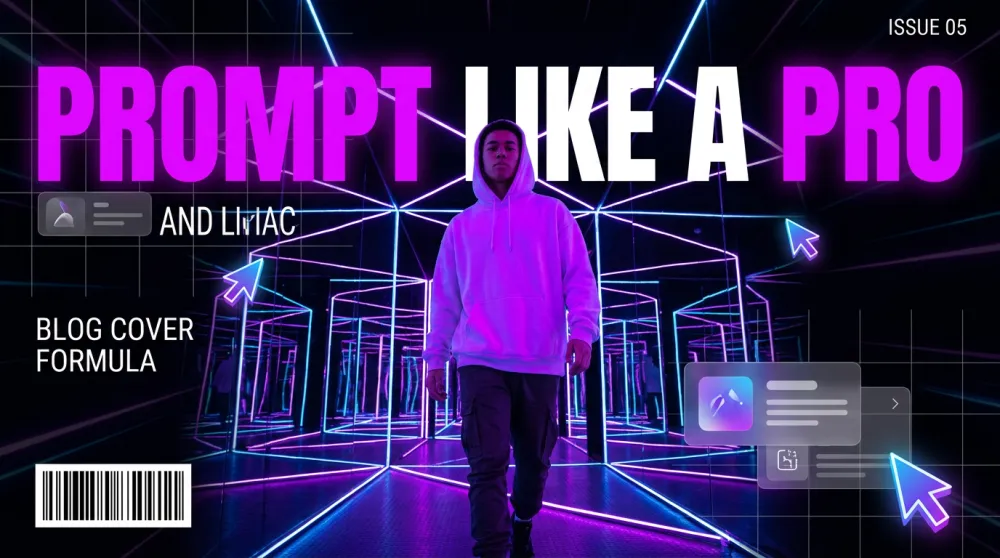
适用于任何科技或软件类博客,能稳定生出干净、有质感的封面,效果像专业设计工作室出品。
A [subject or scene] shown as a high-quality modern SaaS-style illustration.
Visual style: clean flat vector art with subtle 3D depth, glassmorphism UI elements, isometric perspective.
Color palette: [2-3 colors, e.g. "deep purple, electric blue, and white"].
Lighting: soft ambient glow with gentle depth-of-field blur on background elements.
Composition: centered subject, clean negative space on [left/right] side for text overlay.
Mood: professional, forward-thinking, confident.
Quality: ultra-sharp vector lines, 16:9 aspect ratio, professional SaaS marketing aesthetic.

Subject/Scene: [YOUR BLOG TOPIC VISUAL]
Primary color: [YOUR BRAND COLOR]
模板 2 — 产品主视觉
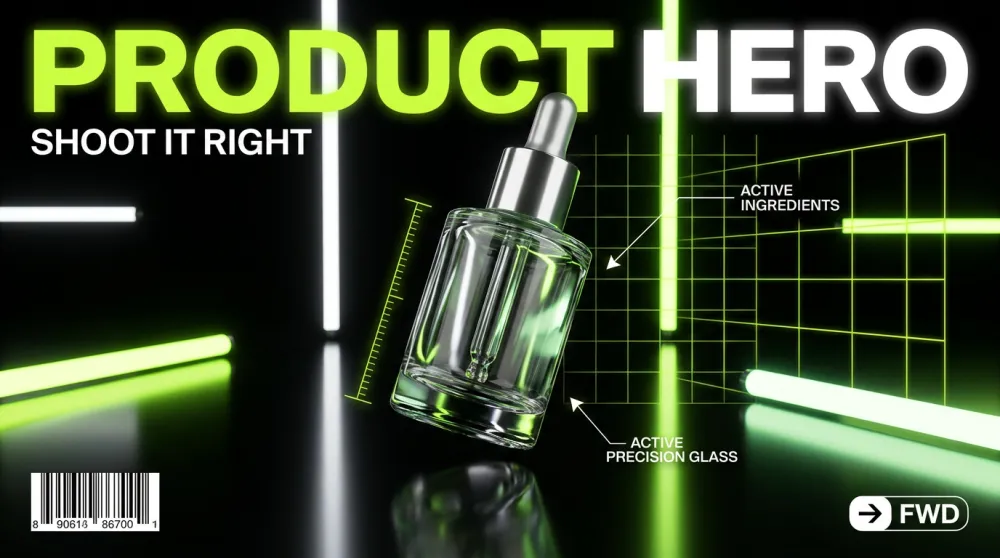
适用于电商页面、落地页,或任何需要让产品看起来高端、让人想点进去的场合。
A [product name] photographed in a [setting, e.g. "minimalist white studio"].
Style: hyper-realistic commercial product photography, shot with a high-end DSLR, crisp focus on product.
Lighting: [e.g. "soft box studio lighting with subtle rim light"].
Composition: product centered, slight three-quarter angle, floating above surface with soft shadow.
Background: [e.g. "pure white" or "blurred bokeh lifestyle environment in matching brand colors"].
Mood: premium, desirable, trustworthy.
Quality: 8K product photography, commercial-grade retouching, zero noise, studio-perfect exposure.

Product: [PRODUCT NAME]
Setting: [STUDIO / OUTDOOR / LIFESTYLE]
Brand colors: [YOUR COLORS]
模板 3 — 社交媒体人像
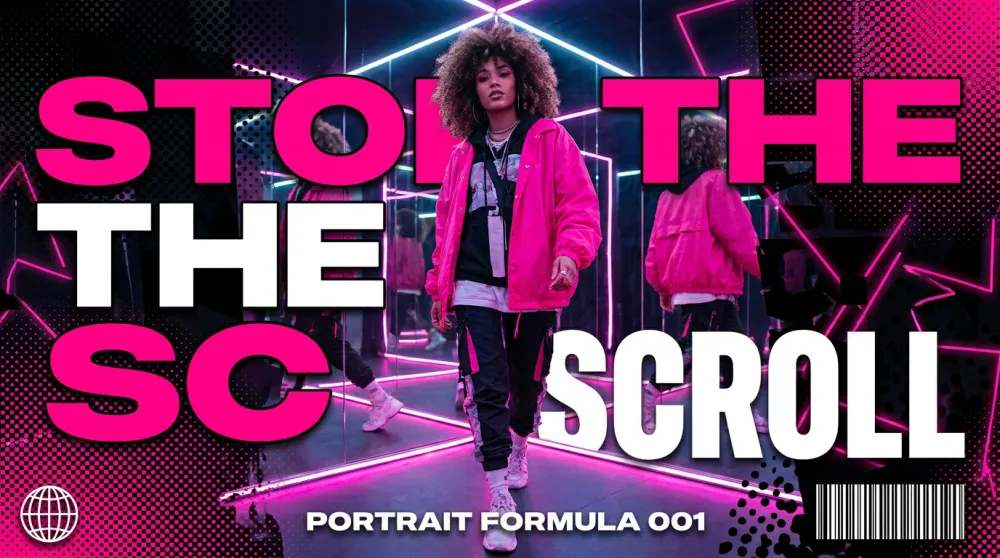
以人物为主角的画面,在 Instagram、小红书、LinkedIn 等任何"脸比物件更能抓眼"的平台都特别有效。
A [description of person: age, style, expression] in a [setting].
Style: [e.g. "editorial lifestyle photography" or "vibrant Gen Z social media aesthetic"].
Outfit: [describe clothing and colors that match your brand palette].
Lighting: [e.g. "bright natural daylight, slightly overexposed for an airy feel"].
Composition: portrait orientation, face fills top half of frame, expressive eyes sharp in focus.
Background: [e.g. "soft pastel pink bokeh" or "graphic color block in brand color"].
Mood: [e.g. "confident, joyful, authentic"].
Quality: fashion magazine photo quality, skin texture preserved, no airbrushing artifacts.

Person description: [YOUR SUBJECT]
Brand aesthetic: [DESCRIBE YOUR VISUAL IDENTITY]
模板 4 — YouTube 缩略图
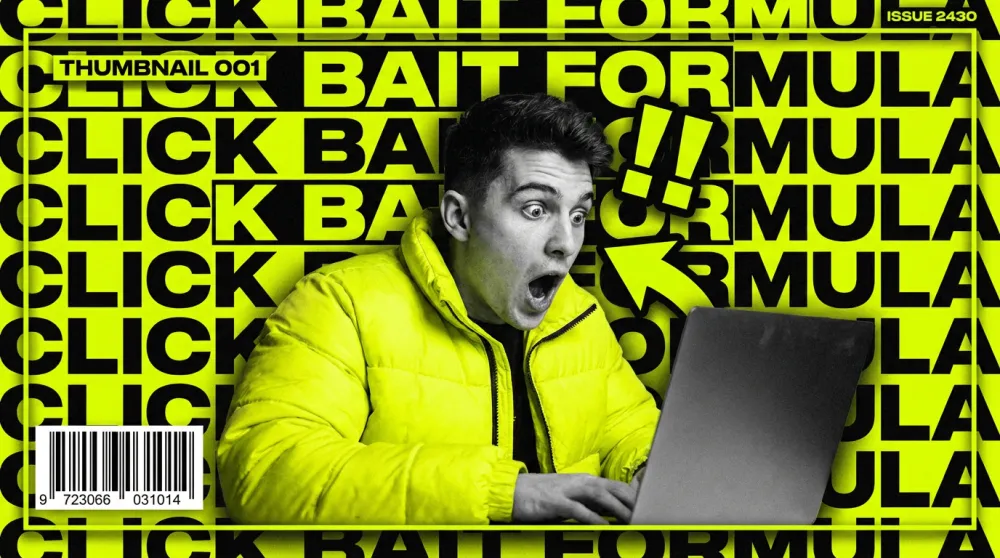
缩略图靠的是对比和情绪冲击力,这个模板专为最大化点击率设计。
A [subject or scene] designed as a high-impact YouTube thumbnail.
Style: bold graphic design fused with photorealistic photography, strong visual contrast.
Key elements: [main subject] + [secondary element: e.g. "large bold text overlay"].
Color palette: [high-contrast colors, e.g. "neon yellow, black, and white"].
Lighting: dramatic, high-contrast — no soft naturalistic looks.
Composition: rule of thirds, subject on [left/right], graphic element on opposite side. 16:9 ratio.
Text overlay: "[YOUR BOLD HEADLINE IN 3-5 WORDS]" in thick block font.
Mood: urgent, surprising, high-energy.
Quality: crisp edges, ultra-saturated, thumbnail-optimized contrast.

Main subject: [DESCRIBE THE KEY VISUAL]
Headline text: [3-5 WORD HOOK]
模板 5 — 平面向量插图
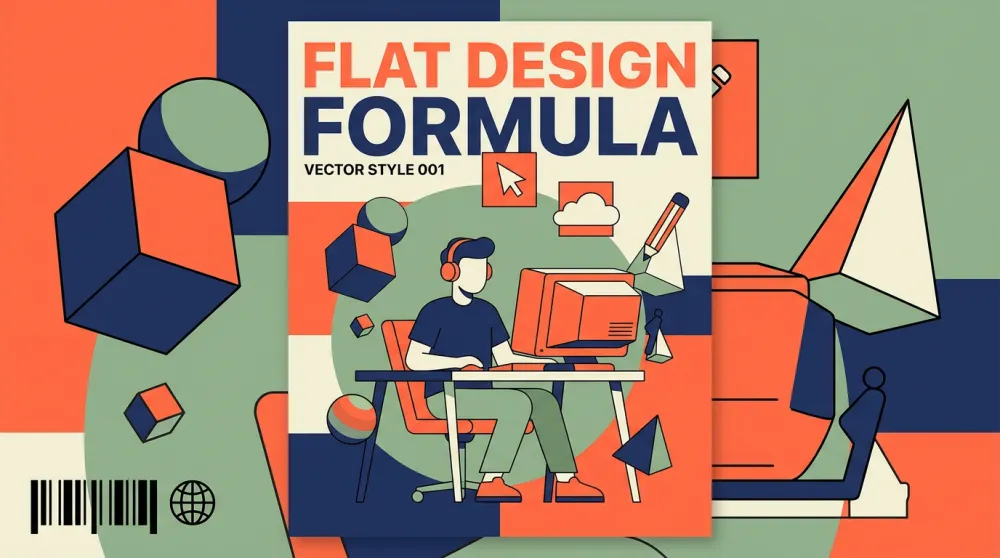
适用于信息图表、说明类文章,或任何需要干净、亲切、非摄影风格视觉的内容。
A flat vector illustration of [subject or concept].
Style: modern flat design with subtle 2.5D depth, clean geometric shapes, no heavy gradients.
Color palette: limited to 4-5 colors — [your palette, e.g. "coral, navy, cream, and sage green"].
Characters (if any): simple stylized figures with rounded features, diverse representation.
Composition: [e.g. "isometric layout" or "centered hero with supporting elements around it"].
Background: flat [color, e.g. "off-white"].
Mood: approachable, clear, informative.
Quality: vector-precision lines, print-ready quality, scalable flat design aesthetic.

Subject/Concept: [WHAT TO ILLUSTRATE]
Use case: [BLOG / INFOGRAPHIC / PRESENTATION]
模板 6 — 3D 角色插图
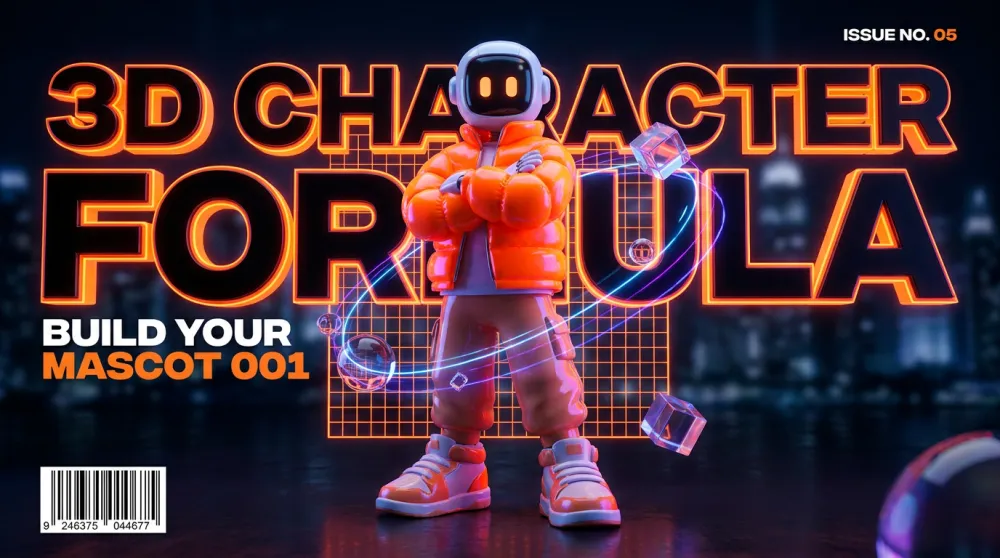
适用于品牌吉祥物、说明性视觉素材,或任何需要有个性、有温度却不想拍真人的品牌资产。
A 3D character illustration of [character description].
Style: Pixar/Blender 3D render — soft subsurface scattering, realistic material textures, expressive features.
Lighting: three-point studio lighting — key light from [left/right], soft fill, rim light for depth.
Character design: [specific details: outfit, color, proportions].
Expression: [e.g. "warm smile, eyes slightly squinted with joy"].
Pose: [e.g. "three-quarter turn, one hand raised in greeting"].
Background: [e.g. "soft gradient from light blue to white"].
Mood: friendly, approachable, brand-safe.
Quality: render-quality 3D, clean anti-aliasing, professional character design.

Character: [DESCRIBE YOUR CHARACTER]
Brand colors: [YOUR COLORS]
模板 7 — 品牌生活方式广告
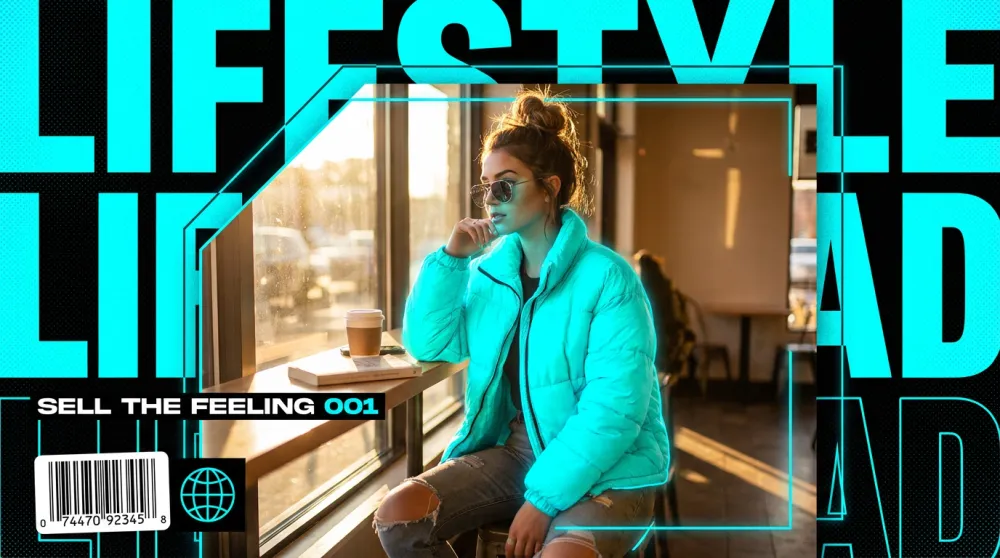
当你需要的不是展示产品参数,而是传递某种生活感受时,这个模板最适合用于社交广告、主视觉横幅和邮件头图。
A lifestyle advertisement image for [brand or product category].
Style: high-end commercial photography with subtle graphic design elements — think Glossier or Apple campaign aesthetic.
Scene: [describe the lifestyle scenario, e.g. "young professional enjoying morning coffee in a bright apartment"].
Subject interaction: person naturally engaging with [product or concept] — never posed stiffly.
Color palette: [brand palette].
Lighting: [e.g. "golden morning window light, soft and warm, slight lens flare"].
Composition: wide shot, subject occupies left two-thirds, negative space for text on right.
Mood: [e.g. "aspirational, calm, modern luxury"].
Quality: fashion editorial quality, natural skin tones, zero stock photo feel.

Brand/Product: [YOUR BRAND]
Lifestyle moment: [DESCRIBE THE SCENE]
模板 8 — 科技信息图表
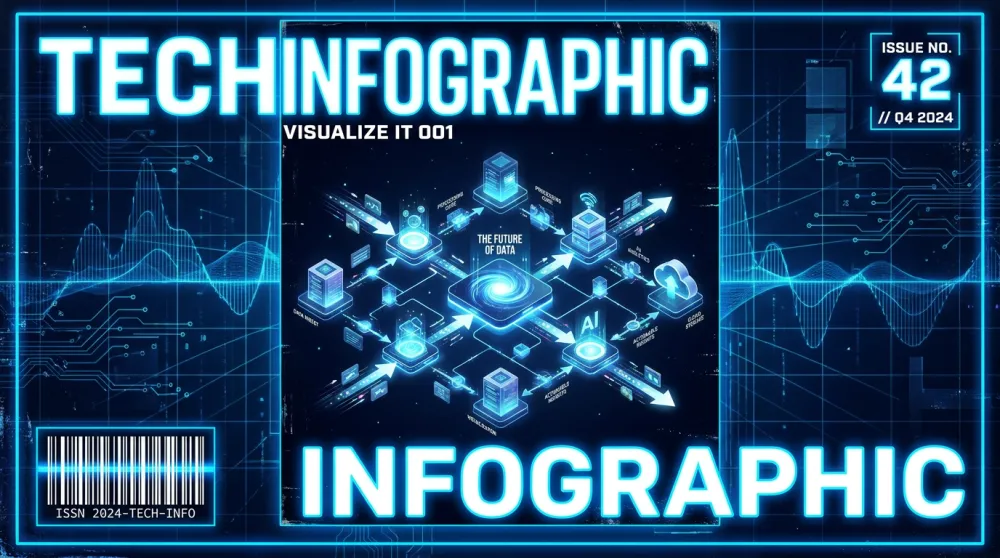
适用于说明类文章、流程图解,或任何需要清楚传达系统架构或工作流程的视觉。
A technical infographic of [subject or process].
Style: isometric 3D illustration combined with flat icon elements and bold typographic labels.
Layout: [e.g. "horizontal flow left to right" or "circular process diagram"].
Color coding: each step uses a distinct color from: [your palette].
Elements: labeled icons representing [list key concepts or steps].
Typography: bold sans-serif for step names, smaller weight for descriptions.
Lines/connectors: clean arrows showing flow/relationships.
Background: [e.g. "deep navy" or "clean white"].
Mood: authoritative, clear, modern.
Quality: crisp vector-style precision, professional data visualization aesthetic.

Topic: [YOUR SUBJECT OR PROCESS]
Number of steps: [NUMBER]
模板 9 — 时尚编辑风
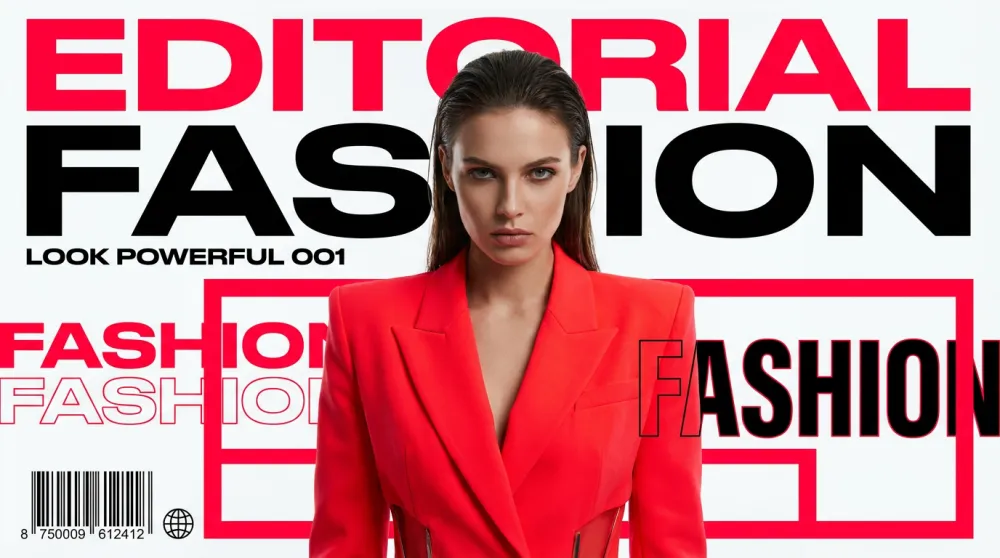
适用于时尚品牌、创意代理公司,或任何需要强烈编辑感与视觉冲击力的内容。
An editorial fashion photograph of [subject].
Style: high-fashion editorial — referencing [style direction, e.g. "Vogue Italia minimalism" or "Y2K Dazed and Confused aesthetic"].
Outfit: [describe clothing in detail — silhouette, fabric, color, key styling details].
Lighting: [e.g. "dramatic single-source key light casting bold shadows"].
Makeup/Hair: [e.g. "bold graphic liner, slicked-back hair"].
Pose: [e.g. "confrontational direct gaze, slight chin tilt, strong posture"].
Background: [e.g. "stark white studio" or "brutalist concrete"].
Composition: full-length portrait, centered, generous breathing room around subject.
Mood: [e.g. "powerful, avant-garde, unapologetic"].
Quality: medium-format editorial quality, razor-sharp clothing texture, fashion-week production level.

Subject: [DESCRIBE PERSON / MODEL TYPE]
Style direction: [YOUR AESTHETIC REFERENCE]
模板 10 — 电影场景
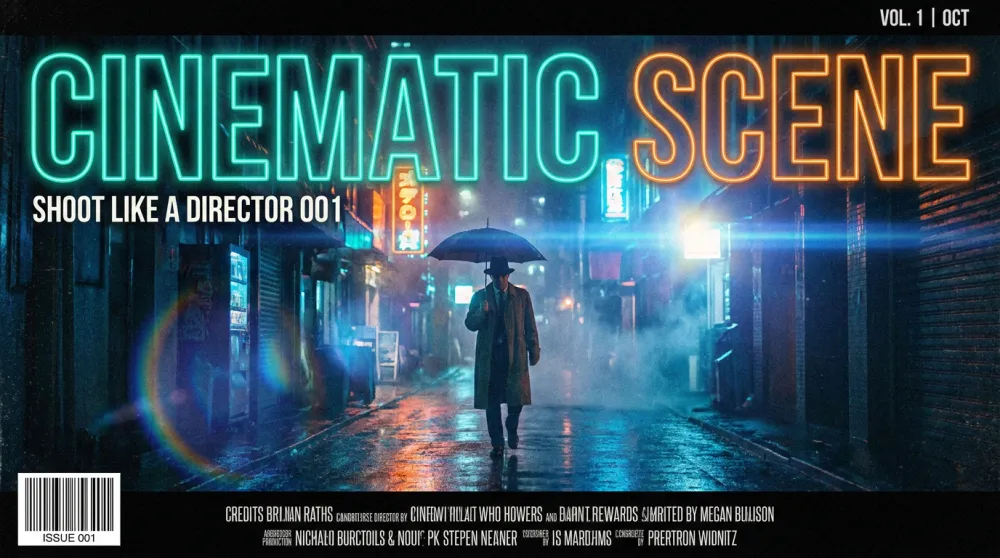
适用于叙事类视觉、电影风格内容,或任何想让图片有大片或独立电影静帧质感的场合。
A cinematic still from [genre: e.g. "a near-future sci-fi thriller" or "a warm indie drama"].
Scene: [describe what's happening, e.g. "a lone figure stands at the edge of a rain-soaked rooftop, city lights blurred below"].
Lighting: [e.g. "moody blue-teal color grade, practical neon signs providing fill light"].
Camera: anamorphic lens, shallow depth of field, slight lens flare on light sources, 2.39:1 aspect ratio.
Color grade: [e.g. "teal and orange Hollywood blockbuster grade"].
Atmosphere: [e.g. "heavy rain, atmospheric fog, wet reflective ground"].
Composition: wide establishing shot, subject small against environment, emphasizing isolation.
Mood: [e.g. "tense, melancholic, epic"].
Quality: IMAX-quality cinematography, film grain texture, anamorphic bokeh.

Genre: [YOUR FILM GENRE]
Scene description: [WHAT'S HAPPENING]
3 个最常见的提示词错误
错误 1 — 自相矛盾。"超写实 3D 卡通插图"同时告诉模型三种不同风格,模型会取折中,生出一张什么都不像的图。选定一种视觉语言,贯彻到底。
错误 2 — 跳过光线。大多数人从主体直接跳到质量修饰词,把光线完全略过。偏偏光线是影响最大的单一变量。有好光线的图看起来专业;没有光线描述的图看起来像剪贴画。
错误 3 — 没有构图指引。没有构图指示,模型默认会生出居中、中景的安全构图——不差但也不惊艳。"宽景,主体在右三分之一,戏剧性天空占左三分之二"——这一句就能把快照变成真正的摄影作品。
iMini AI:让提示词真正发挥效果的地方
再好的提示词也需要配得上它的模型。iMini AI 搭载了目前最强的图片生成模型,包括 Nano Banana Pro 和 Seedream 4.0,在单一界面内让你实时迭代、并排对比、快速调整,完全不需要切换窗口。
无限 Canvas 特别适合提示词工程工作流:一侧固定模板,一侧看生成结果,直接在同一个画面里修改迭代。这份指南的任何一个模板,都可以直接粘贴到 iMini AI 试跑,感受结构化提示词和随手打几个字的差距。
关于 iMini AI
iMini AI 是面向现代创作者与营销人的一站式 AI 创作平台,整合了顶尖图片生成模型(Nano Banana Pro、Seedream 4.0)、视频生成(Sora 2、Kling、Seedance),以及在同一工作区使用 Claude、GPT、Gemini 的多模型功能。无限 Canvas 让你规划、生成、对比、发布,一气呵成。免费开始:imini.com。
总结
更好的 AI 图片来自更好的结构,不是更长的提示词。五段式公式——主体、风格、光线、构图、质量修饰词——适用于所有模型和所有使用场景。上面 10 个模板是你的起手式:选一个最符合当前需求的,填入占位符,跑一次,看看一个有结构的提示词能做到什么。