Introduction
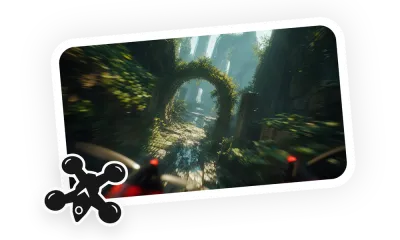
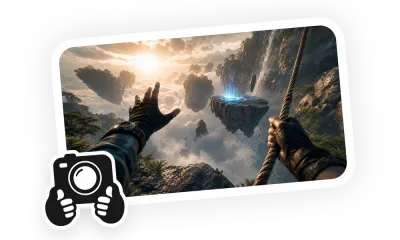
This Skill treats the camera as the protagonist's eyes or body-mounted viewpoint, so every action, sound, reference, and edit serves a strict first-person experience. The protagonist's face and full body never appear. Hands, sleeves, feet, shadows, or reflections enter only when physically plausible, while eye height, breath, contact, and focus behavior carry emotion.
Use Cases
Use it for escape-room exploration, first-person adventure, an everyday date, a horror discovery, clue tracking, or interactive narrative. Every clip has one action, one camera path, a defined start and end state, and bound visible characters and props. This prevents the model from inventing plot events or slipping into third-person composition.
Template
Describe the protagonist's goal, experience type, location sequence, visible supporting characters, allowed hands or clothing edges, recurring props, key action, exact dialogue, duration, and aspect ratio. Attach relevant references. Example: from a restorer's viewpoint, enter a dark museum with a small lamp, inspect a cracked display case, and briefly see a figure behind you in the reflection.