Introduction
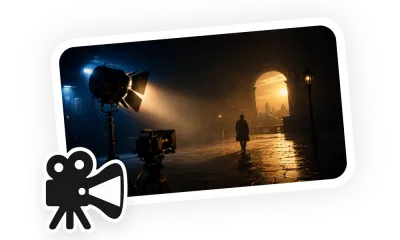
The same person and location can feel entirely different when the light changes direction or the camera begins to move. This skill turns a screenplay, written concept, reference images, or short video into a cinematic plan with clear lighting-driven storytelling and controllable camera movement. Following the emotional progression of setup, development, turn, and resolution, it assigns backlight, side light, hard light, soft light, cool top light, or volumetric light to each shot. Light direction, intensity, color temperature, framing, and movement are locked so subject hierarchy, shot continuity, and overall exposure remain coherent.
Use Cases
Ordinary footage can gain a more complete cinematic finish; entrances and departures can use rim light, confrontations can place warm and cool sources in opposition, and memories can settle into softer illumination. The same approach works for product mood films, suspense shorts, video portraits, and multi-character dialogue, allowing emotion to develop through changing light and camera movement rather than relying only on spoken explanation.
Template
Prepare “input type | story or visual content | aspect ratio and duration | narrative tone | character and location references | manual or recommended lighting | desired camera movement | dialogue and SFX.” Once the specification is settled, the material is shaped into a four-part outline and each shot receives an approved light type and color temperature. Storyboards and reference elements follow, shots are generated and reviewed in batches for camera movement, and the final edit matches exposure across the changing lighting design.